Healing
How to read a BPC-157 COA: product name, batch number, testing lab, date, identity and purity results, plus what a certificate cannot prove.
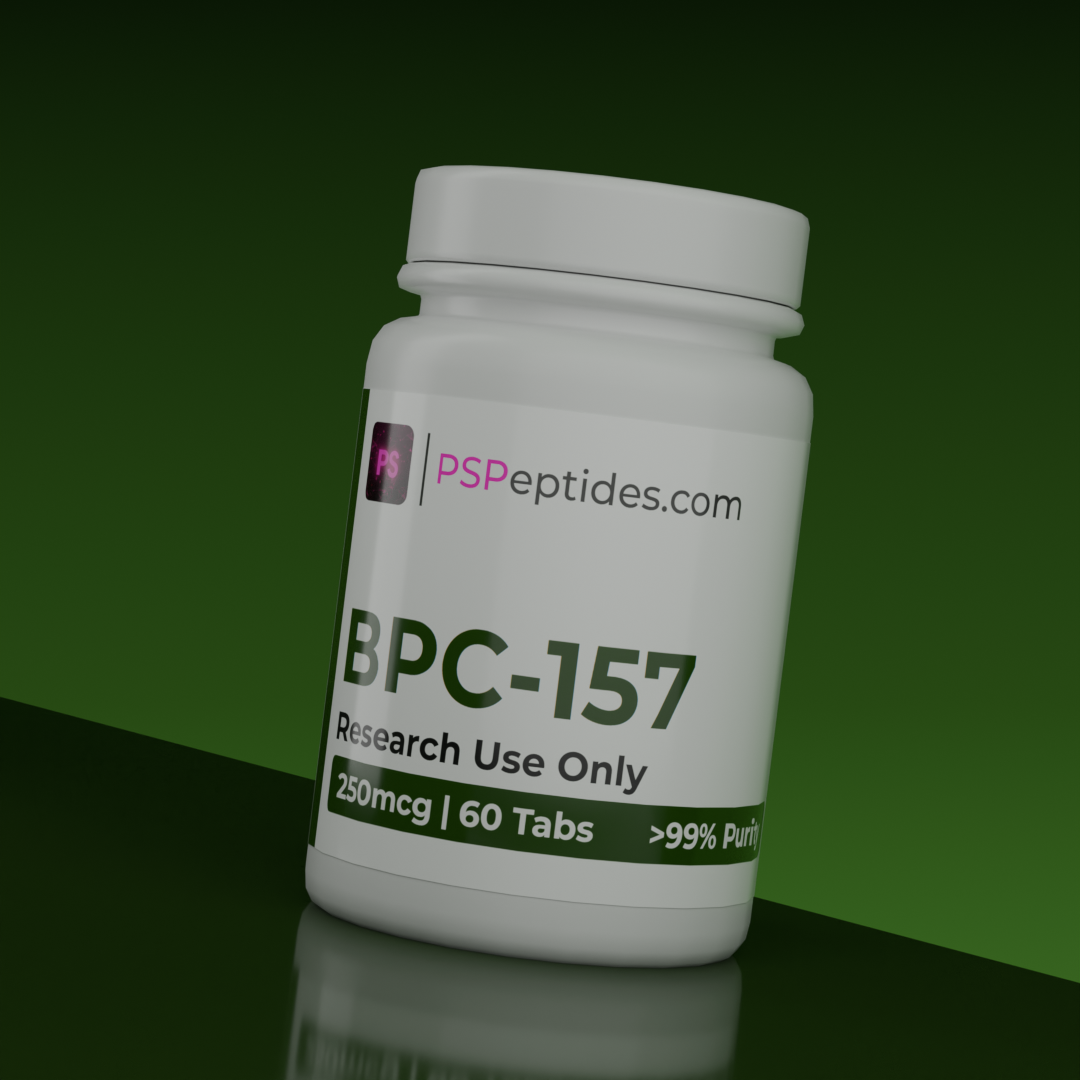
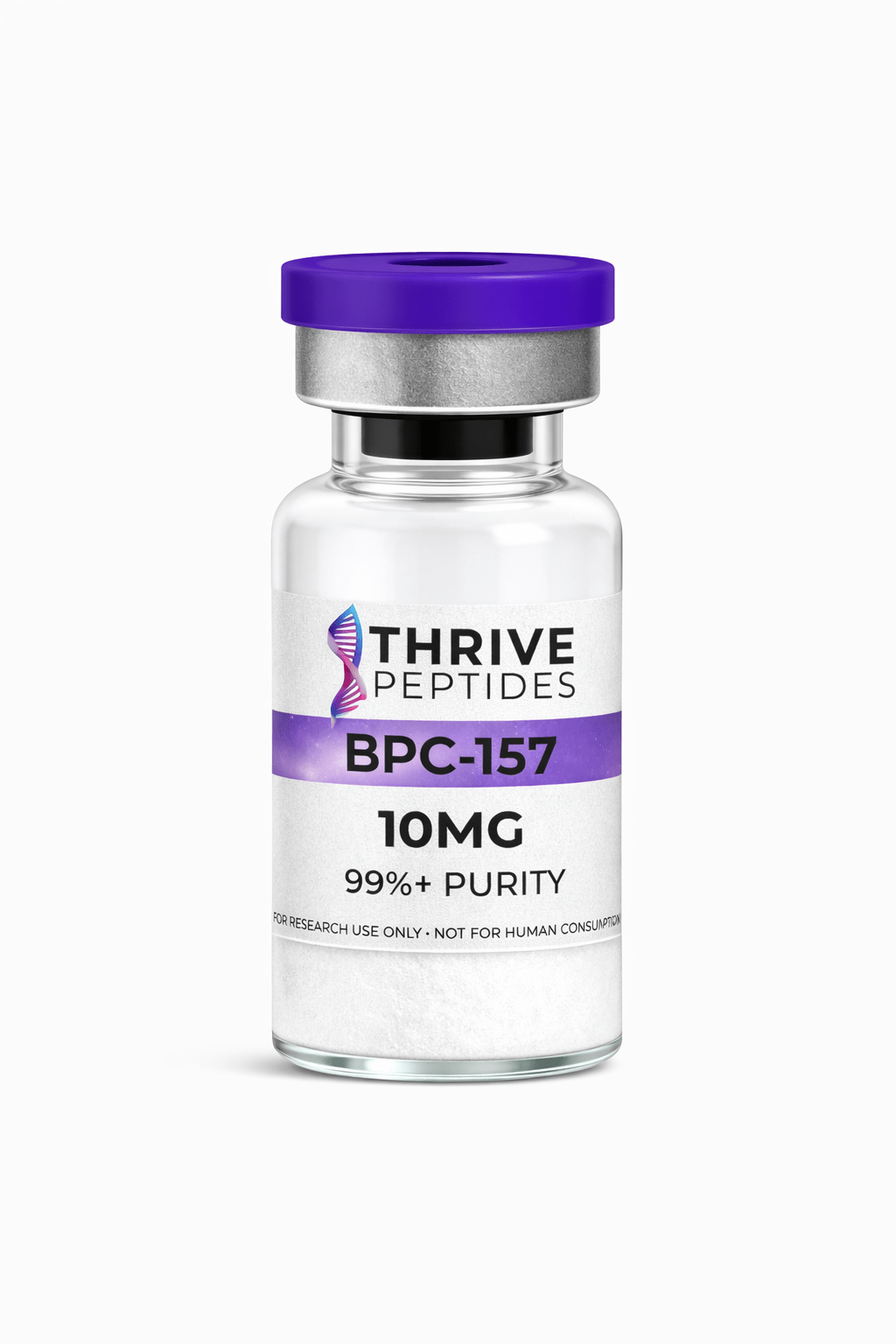
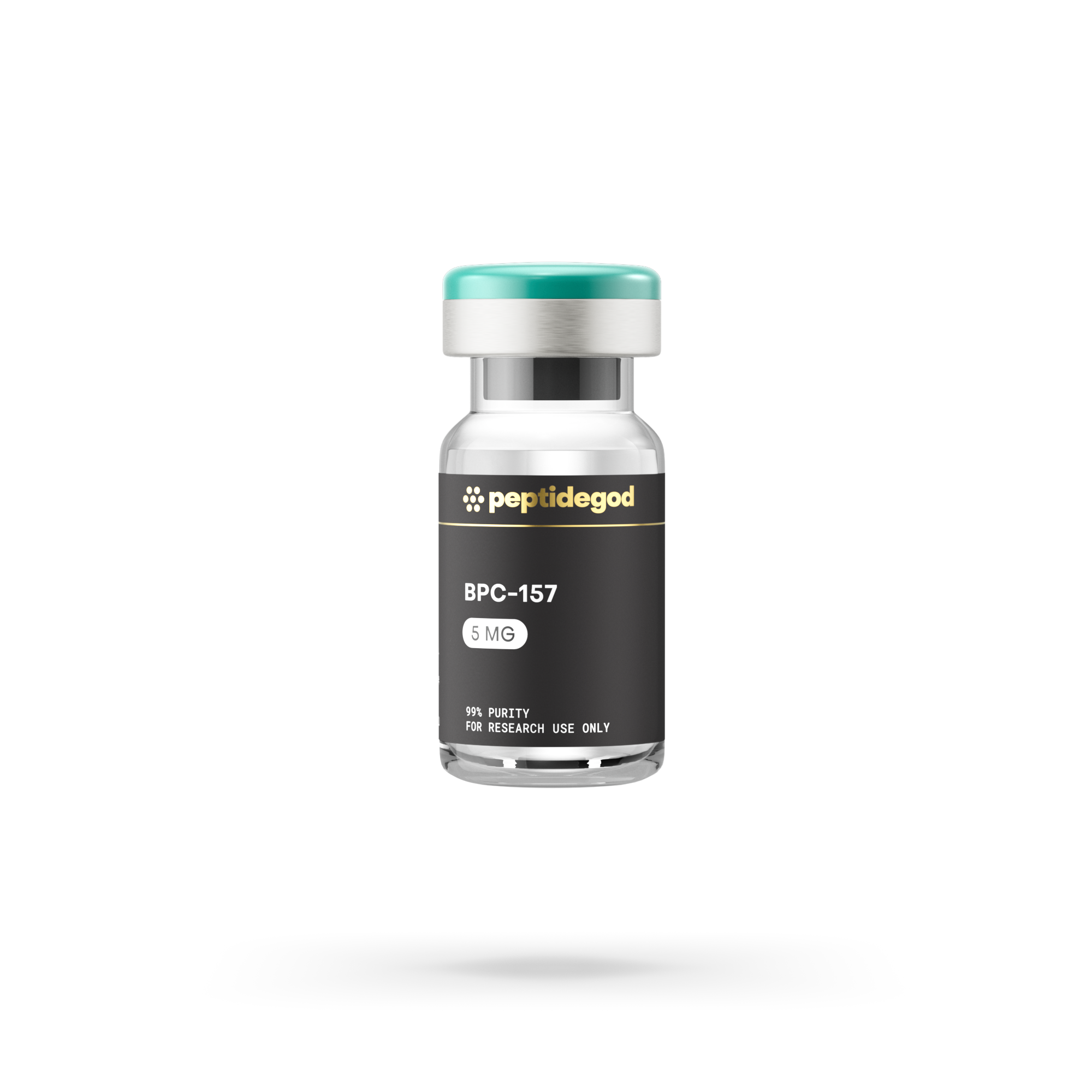
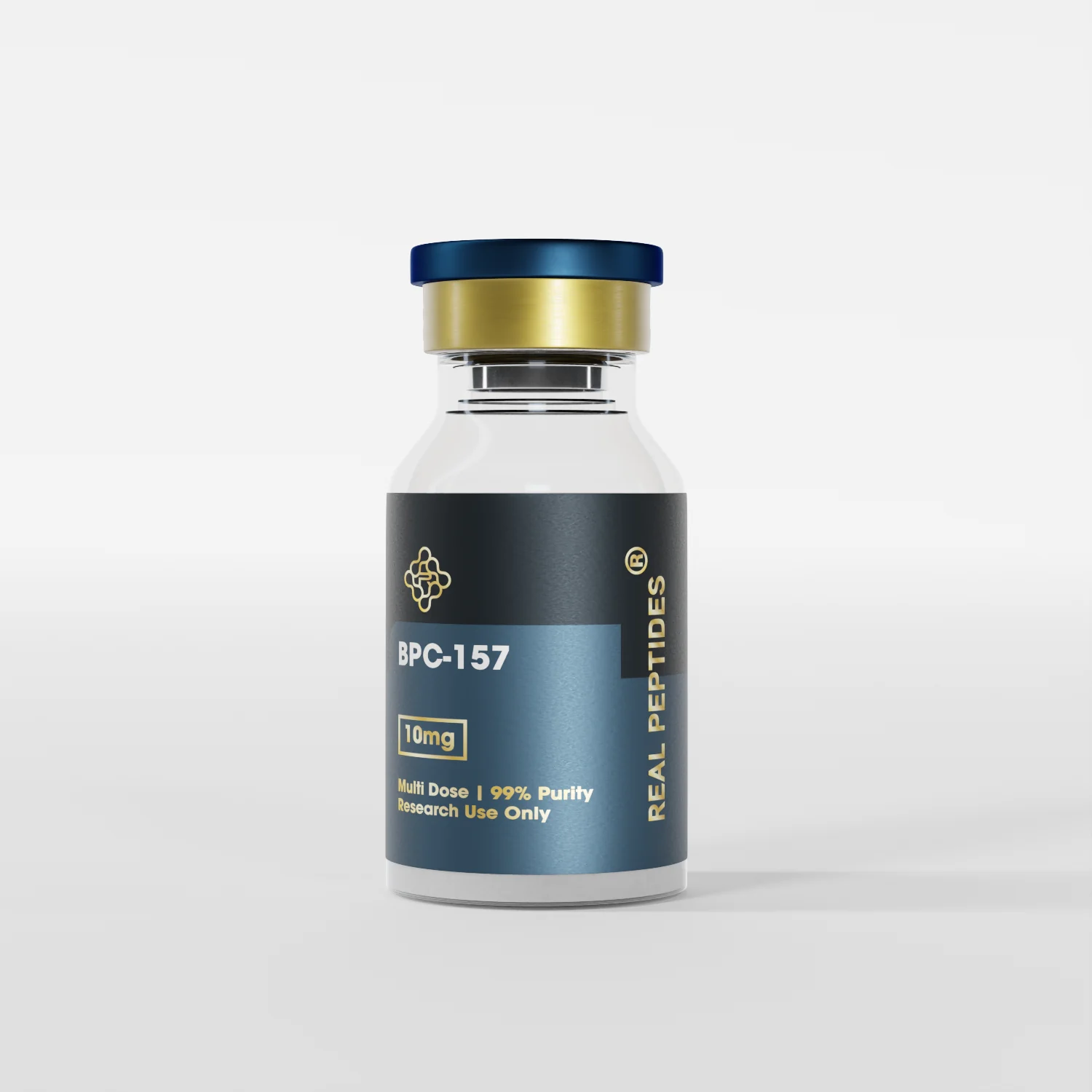
Every BPC-157 product we track, from the $34.95 (US dollars) Peptide God vial to the $120.00 Real Peptides capsules, is listed with a third-party certificate of analysis. A BPC-157 COA is the closest thing a research compound has to quality paperwork, and knowing how to read one is the most practical check a UK buyer can make. This guide goes through it field by field.
A COA is useful, but it has limits. We explain both, because the limits matter as much as the document.
The Certificate of Analysis is a laboratory report of a sample taken from a production batch. This report shows which tests were performed and what were the results. In the case of BPC 157, since this item is not a medicine in the UK and is not produced according to medicinal standards, it will serve as the only type of proof of what this product actually consists of.
According to the MHRA, items sourced from unauthorized outlets have an undetermined content, quality of manufacture, and handling. Third-party certification does not eliminate that potential danger, but at least it lets you to examine something that is more than many products can offer you.
A COA has a handful of fields that do most of the work, and you should be able to find each of them on the document.
| Field | What to check |
|---|---|
| Product name | Matches the exact product you are buying, not a related one |
| Batch or lot number | Matches the number on the label of the vial or bottle |
| Testing laboratory | Named, and separate from the vendor if it is called third-party |
| Test date | Present, and plausible for the batch you are buying |
| Identity result | Confirms the compound tested is BPC-157 |
| Purity result | States a measured figure, not just "pass" |
| Stated amount | Consistent with the vial size on the label |
In case a field is absent, check with a supplier. For instance, it is impossible to identify to which batch a COA having no batch number belongs.
A Certificate of Analysis specific to a batch gives information on the batch you are getting; a generic Certificate of Analysis gives information on batches that may not even exist anymore. Knowing the difference between the two is very important.
Out of all the vendors that we monitor, Real Peptides claims that its COAs are issued before purchasing, and that it also issues one COA per batch for each of its stacks. Peptide God shows the third-party COA of each of its products as well as the COA per batch of its blend. When making comparisons, we first pay attention to whether we can check the required batch beforehand and what the contents of the document are after that.
A COA for a blend has to show both compounds, because one vial holds two peptides. For the Peptide God BPC-157 + TB-500 Blend, check that the certificate names BPC-157 and TB-500 and gives results for each.
For multi-vial stacks the job is simpler but longer. The Real Peptides Wolverine Peptide Stack has two vials, and the GLOW Stack has three, so you should expect paperwork that covers each vial. Real Peptides says the Wolverine stack vials come from the same vendor and lot, which should make matching easier. Our page on Wolverine stack peptides compares these products.
A Certificate of Analysis indicates information about a sample being tested, but it does not address safety or efficacy for humans. It does not demonstrate that BPC-157 is effective, nor does it provide any validation.
That last point matters in the UK. A research label and a COA together still leave BPC-157 as an unlicensed research compound. Our page on BPC-157 legal status in the UK explains why.
The frequent blunder is acknowledging the existence of a COA without looking at its contents. A certification that differs from your products is simply a form of advertisement.
Other mistakes we see: trusting a screenshot rather than the full document, ignoring the test date, and not checking that the laboratory is independent. Before you order, we suggest putting the COA check alongside the shipping and currency checks on our buy BPC-157 UK checklist. A clean COA is a minimum, not a guarantee.
Every BPC-157 product we track, from the $34.95 (US dollars) Peptide God vial to the $120.00 Real Peptides capsules, is listed with a third-party certificate of analysis. A BPC-157 COA is the closest thing a research compound has to quality paperwork, and knowing how to read one is the most practical check a UK buyer can make. This guide goes through it field by field.
A COA is useful, but it has limits. We explain both, because the limits matter as much as the document.
The Certificate of Analysis is a laboratory report of a sample taken from a production batch. This report shows which tests were performed and what were the results. In the case of BPC 157, since this item is not a medicine in the UK and is not produced according to medicinal standards, it will serve as the only type of proof of what this product actually consists of.
According to the MHRA, items sourced from unauthorized outlets have an undetermined content, quality of manufacture, and handling. Third-party certification does not eliminate that potential danger, but at least it lets you to examine something that is more than many products can offer you.
A COA has a handful of fields that do most of the work, and you should be able to find each of them on the document.
| Field | What to check |
|---|---|
| Product name | Matches the exact product you are buying, not a related one |
| Batch or lot number | Matches the number on the label of the vial or bottle |
| Testing laboratory | Named, and separate from the vendor if it is called third-party |
| Test date | Present, and plausible for the batch you are buying |
| Identity result | Confirms the compound tested is BPC-157 |
| Purity result | States a measured figure, not just "pass" |
| Stated amount | Consistent with the vial size on the label |
In case a field is absent, check with a supplier. For instance, it is impossible to identify to which batch a COA having no batch number belongs.
A Certificate of Analysis specific to a batch gives information on the batch you are getting; a generic Certificate of Analysis gives information on batches that may not even exist anymore. Knowing the difference between the two is very important.
Out of all the vendors that we monitor, Real Peptides claims that its COAs are issued before purchasing, and that it also issues one COA per batch for each of its stacks. Peptide God shows the third-party COA of each of its products as well as the COA per batch of its blend. When making comparisons, we first pay attention to whether we can check the required batch beforehand and what the contents of the document are after that.
A COA for a blend has to show both compounds, because one vial holds two peptides. For the Peptide God BPC-157 + TB-500 Blend, check that the certificate names BPC-157 and TB-500 and gives results for each.
For multi-vial stacks the job is simpler but longer. The Real Peptides Wolverine Peptide Stack has two vials, and the GLOW Stack has three, so you should expect paperwork that covers each vial. Real Peptides says the Wolverine stack vials come from the same vendor and lot, which should make matching easier. Our page on Wolverine stack peptides compares these products.