Healing
BPC-157 dosage explained: why no approved human dose exists, why animal figures cannot be applied to people, and why forum protocols are anecdote.
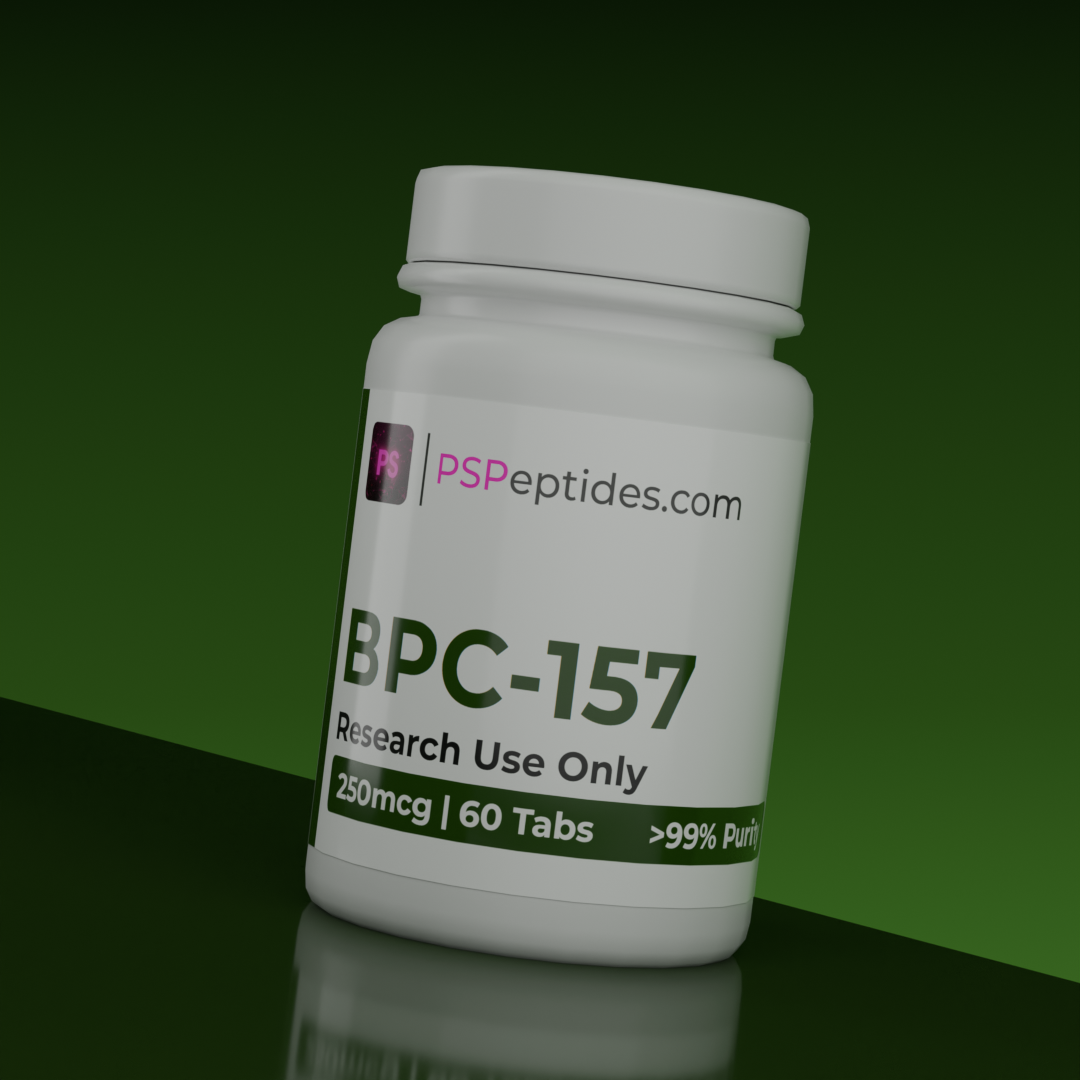
No regulator in the world has approved a human dose of BPC-157, because no product containing it has ever been licensed as a medicine. Anyone searching for BPC-157 dosage information will still find confident numbers online, and this page explains where those numbers come from and why we do not repeat them.
We concentrate on the UK market, where BPC-157 is available as a research substance. That designation influences the entire dosage issue, so this is the first thing that will be explained.
An approved dose is only apparent when a drug has passed controlled clinical trials and a regulator has given it a license for use and BPC-157 has not performed any of the two steps. It is unlicensed in the UK and has not received FDA approval in the USA for human use either.
Licensing is how much of a medication is dispensed, how often and to which category of population. Licensing depends on experiments that analyze treatment, compared to a control group, check the side effects and establish safety limits. Currently, BPC-157 remains in preclinical phases, except for some small uncontrolled experiments with people. Those experiments are not intended to determine the amount that is safe for humans and efficient.
The dosages used in experiments with animals cannot be used to determine dosage for humans, and that is why we will not provide any numbers. Research with animals can help us ask whether or not a certain treatment should be pursued further, but it cannot determine what people should take or ingest.
Animals process compounds differently from people, and the conditions in a laboratory study are tightly controlled in ways that ordinary life is not. Scaling a rodent figure up by body weight is a common forum shortcut, and it is not how human doses are set. Our page on what animal studies of BPC-157 show covers the research itself.
The figures and practices shared on forums and social media are personal stories, not actual evidence. They are generally based on somebody’s personal experience, a number copied from somebody else’s post or a guess based on animal research.
The mistakes we see most often follow from treating these posts as guidance:
According to the MHRA, a product that has been marketed for injury, mental performance, or metabolic fitness can qualify as a pharmaceutical product based on the Human Medicines Regulations 2012. One of the easiest methods for a seller to put themselves in this position is by giving information about the necessary quantity for effectively treating an ailment.
That is part of why the vendors we track sell BPC-157 as a research compound and do not present it as a treatment. In April 2026 the MHRA was reported to be investigating UK peptide clinics that make medicinal claims about unregulated peptides, with BPC-157 named among them. Our page on BPC-157 legal status in the UK covers this in full.
authorized medicines, the dosage is determined by the prescriber according to the approved product and also the unique needs of the patient. This precaution is not present in any unapproved drug.
| Question | Licensed medicine | BPC-157 |
|---|---|---|
| Who sets the dose? | A prescriber, within the licence | Nobody; no licence exists |
| What is it based on? | Controlled human trials | Animal studies and small uncontrolled human studies |
| Who checks quality? | Manufactured to medicine standards | Vendor COA only |
| Who reviews side effects? | Prescriber, pharmacist, Yellow Card reports | No systematic tracking |
For anyone seeking assistance with an injury, digestive issues or recuperation, a general practitioner or pharmacist can provide information on treatments that have been tested and determined to be effective in terms of dosage.
The most beneficial aspect of any BPC-157 dosage inquiries is obtaining a smart set of inquiries and not merely a number. One should inquire about the evidence in place, who verified the supplement, and what happens when things go wrong.
If something does go wrong after using any product, report suspected side effects through the MHRA Yellow Card scheme and speak to a healthcare professional. Our page on BPC-157 side effects explains what is and is not known about safety.
No regulator in the world has approved a human dose of BPC-157, because no product containing it has ever been licensed as a medicine. Anyone searching for BPC-157 dosage information will still find confident numbers online, and this page explains where those numbers come from and why we do not repeat them.
We concentrate on the UK market, where BPC-157 is available as a research substance. That designation influences the entire dosage issue, so this is the first thing that will be explained.
An approved dose is only apparent when a drug has passed controlled clinical trials and a regulator has given it a license for use and BPC-157 has not performed any of the two steps. It is unlicensed in the UK and has not received FDA approval in the USA for human use either.
Licensing is how much of a medication is dispensed, how often and to which category of population. Licensing depends on experiments that analyze treatment, compared to a control group, check the side effects and establish safety limits. Currently, BPC-157 remains in preclinical phases, except for some small uncontrolled experiments with people. Those experiments are not intended to determine the amount that is safe for humans and efficient.
The dosages used in experiments with animals cannot be used to determine dosage for humans, and that is why we will not provide any numbers. Research with animals can help us ask whether or not a certain treatment should be pursued further, but it cannot determine what people should take or ingest.
Animals process compounds differently from people, and the conditions in a laboratory study are tightly controlled in ways that ordinary life is not. Scaling a rodent figure up by body weight is a common forum shortcut, and it is not how human doses are set. Our page on what animal studies of BPC-157 show covers the research itself.
The figures and practices shared on forums and social media are personal stories, not actual evidence. They are generally based on somebody’s personal experience, a number copied from somebody else’s post or a guess based on animal research.
The mistakes we see most often follow from treating these posts as guidance:
According to the MHRA, a product that has been marketed for injury, mental performance, or metabolic fitness can qualify as a pharmaceutical product based on the Human Medicines Regulations 2012. One of the easiest methods for a seller to put themselves in this position is by giving information about the necessary quantity for effectively treating an ailment.
That is part of why the vendors we track sell BPC-157 as a research compound and do not present it as a treatment. In April 2026 the MHRA was reported to be investigating UK peptide clinics that make medicinal claims about unregulated peptides, with BPC-157 named among them. Our page on BPC-157 legal status in the UK covers this in full.