Healing
Is BPC-157 legal UK? It is an unlicensed research compound, and under the Human Medicines Regulations 2012 treatment claims can make it a medicine.
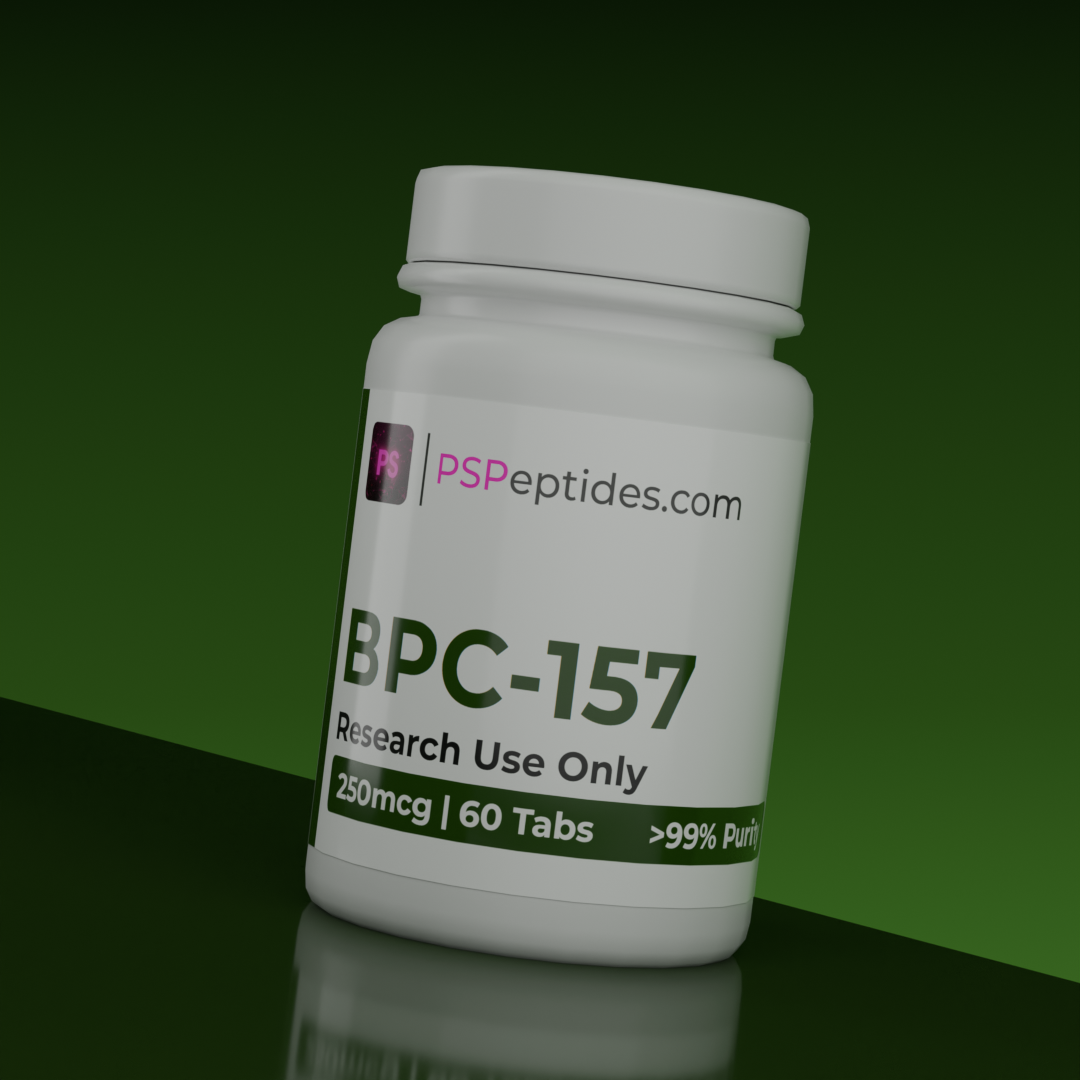
The Human Medicines Regulations 2012 decide whether BPC-157 is treated as a medicine in the UK, and the test they use is intended use, not the chemical itself. So is BPC-157 legal UK wise? The honest answer is that it is not a licensed medicine, it is sold as a research compound, and how it is promoted can bring it under medicines law.
This is the question we receive the most. Unfortunately, the shorter versions you find online often contain some inaccuracies. This page details the specific position of the regulator as reported and identifies the areas of uncertainty.
BPC-157 is not authorized for marketing in the UK, meaning that the MHRA has not authorized any product containing this substance for any medicinal use. In addition, this substance has not been approved for human use in the USA either.
In the absence of a permit, BPC-157 cannot be legally marketed as a remedy. Instead, it is provided as a research substance which is the designation given by all the suppliers included in our monitoring. The said designation serves as a background for all further discussion given here.
The MHRA classes a product by its intended use under the Human Medicines Regulations 2012. If a product is promoted to treat injury, cognition or metabolic health, it can be treated as a medicine, and licensing requirements then apply.
This is why the phrasing used to describe a product is as important as the product itself. The same bottle, labeled a research chemical or an injury remedy, can occupy two very different spaces. Vendors that make a medicinal claim about an unapproved product may find themselves accused of trading in unapproved medicines.
In April 2026 The Guardian reported that the MHRA was investigating UK peptide clinics that make medicinal claims about unregulated peptides, and BPC-157 was named among the compounds being widely promoted. The focus was on providers presenting these peptides as treatments.
The report noted that many providers use "research only" labels. It did not say that BPC-157 is illegal to sell in the UK. What it made clear is that the regulator is paying attention to how these products are marketed, especially by clinics. We cover that side in more detail on our page about BPC-157 clinics in the UK.
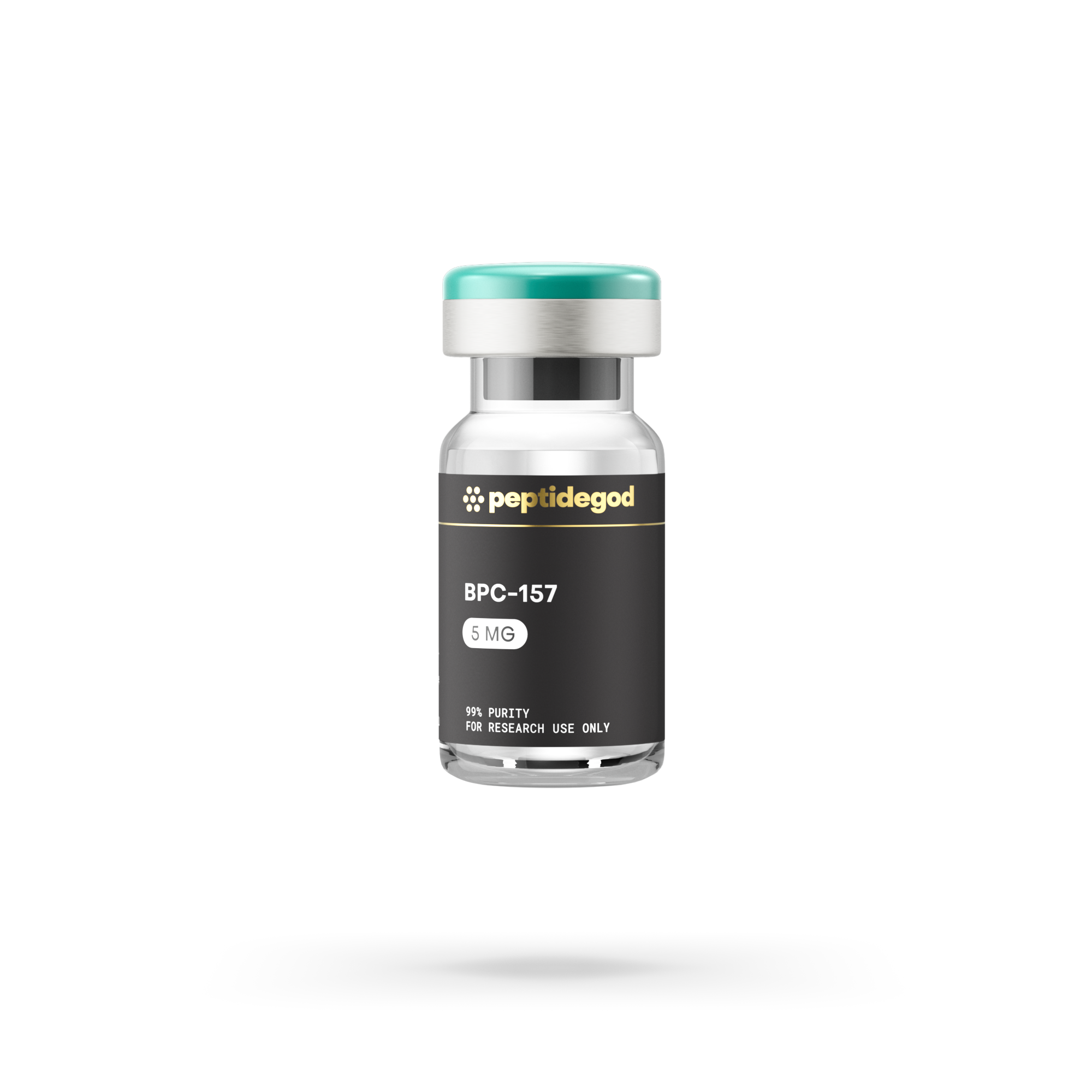
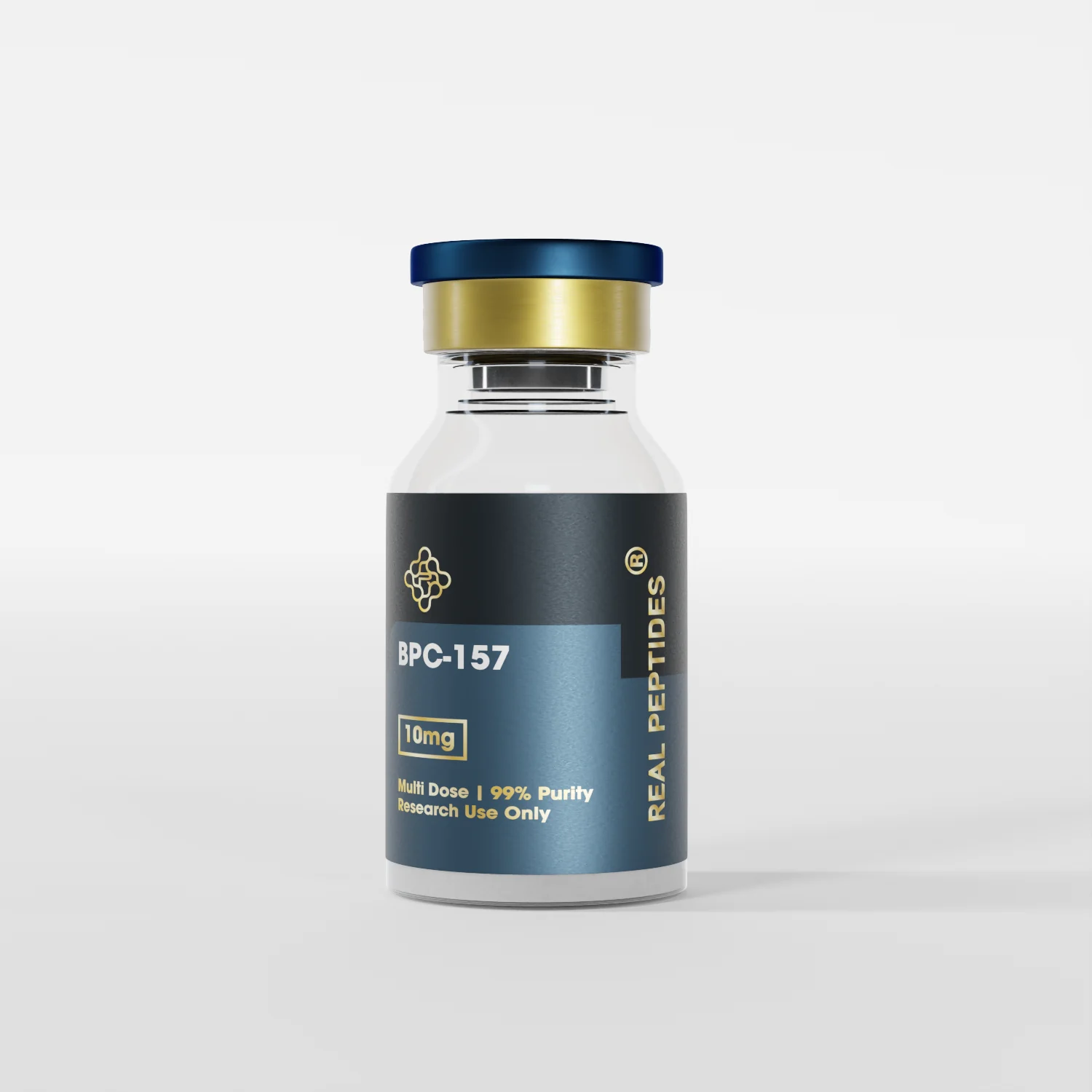
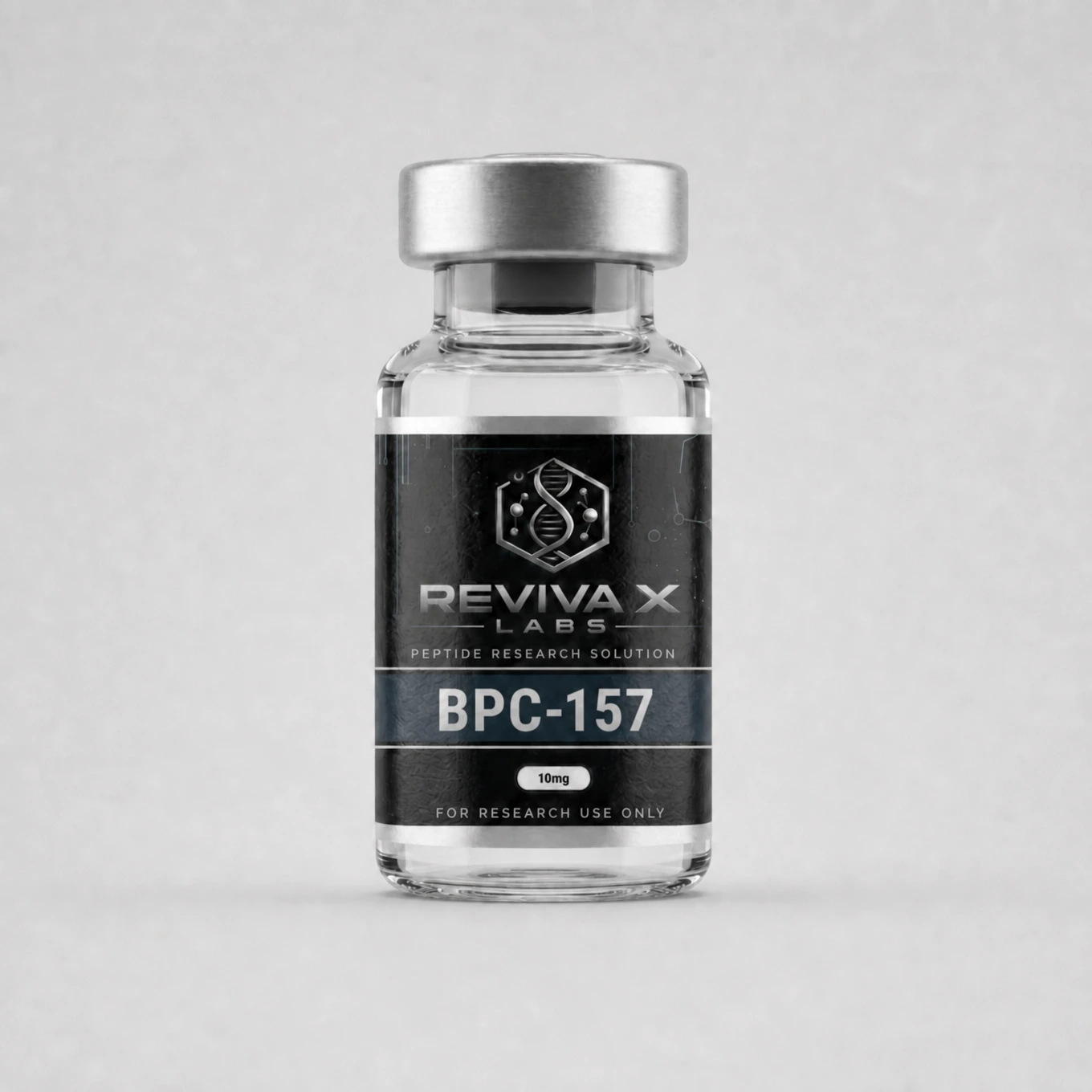
Just because a product has either a "research only" tag or a "not meant for human consumption" label doesn’t imply it is legal to supply products meant for human consumption. The MHRA has been very firm in its reasons and warnings about the usage of unregulated products.
The label also does not mean the product was made to medicine standards. The MHRA warns that products from illegal or unregulated sources have unknown contents, manufacturing quality and handling. A certificate of analysis helps, but it is not the same as a licensed manufacturing process. Our guide to reading a BPC-157 COA explains what that document can and cannot tell you.
The two most common misreadings are opposite ones: that BPC-157 is illegal to buy, and that it is legal for human use. Neither statement matches what has been reported.
| Claim you may see | What the facts support |
|---|---|
| "BPC-157 is banned in the UK" | It is unlicensed; reporting has not said it is illegal to sell. |
| "BPC-157 is legal for personal use" | It is not licensed for any human use; it is sold as a research compound. |
| "A research label makes it legal" | The label does not make supply for human use legal. |
| "Clinics can offer it as a treatment" | Medicinal claims can bring it under medicines law; the MHRA is investigating. |
Imports add a separate layer. Parcels from abroad can be held by Border Force or attract VAT and duty, which we explain on our delivery and customs page.
For sports competitors, the legal question is only part of the puzzle since BPC-157 is included in the WADA Prohibited List under section S0, which contains unapproved substances. In the UK, UK Anti-Doping uses that same list with respect to UK athletes, meaning that a product's medical status does not influence its eligibility in sport.
If you are unsure about any product and a health concern sits behind the question, the safest step is to speak to your GP or pharmacist. They can talk through licensed options, which no research compound can offer. We have set out the anti-doping detail on our page about BPC-157 and WADA.
The Human Medicines Regulations 2012 decide whether BPC-157 is treated as a medicine in the UK, and the test they use is intended use, not the chemical itself. So is BPC-157 legal UK wise? The honest answer is that it is not a licensed medicine, it is sold as a research compound, and how it is promoted can bring it under medicines law.
This is the question we receive the most. Unfortunately, the shorter versions you find online often contain some inaccuracies. This page details the specific position of the regulator as reported and identifies the areas of uncertainty.
BPC-157 is not authorized for marketing in the UK, meaning that the MHRA has not authorized any product containing this substance for any medicinal use. In addition, this substance has not been approved for human use in the USA either.
In the absence of a permit, BPC-157 cannot be legally marketed as a remedy. Instead, it is provided as a research substance which is the designation given by all the suppliers included in our monitoring. The said designation serves as a background for all further discussion given here.
The MHRA classes a product by its intended use under the Human Medicines Regulations 2012. If a product is promoted to treat injury, cognition or metabolic health, it can be treated as a medicine, and licensing requirements then apply.
This is why the phrasing used to describe a product is as important as the product itself. The same bottle, labeled a research chemical or an injury remedy, can occupy two very different spaces. Vendors that make a medicinal claim about an unapproved product may find themselves accused of trading in unapproved medicines.
In April 2026 The Guardian reported that the MHRA was investigating UK peptide clinics that make medicinal claims about unregulated peptides, and BPC-157 was named among the compounds being widely promoted. The focus was on providers presenting these peptides as treatments.
The report noted that many providers use "research only" labels. It did not say that BPC-157 is illegal to sell in the UK. What it made clear is that the regulator is paying attention to how these products are marketed, especially by clinics. We cover that side in more detail on our page about BPC-157 clinics in the UK.
Just because a product has either a "research only" tag or a "not meant for human consumption" label doesn’t imply it is legal to supply products meant for human consumption. The MHRA has been very firm in its reasons and warnings about the usage of unregulated products.
The label also does not mean the product was made to medicine standards. The MHRA warns that products from illegal or unregulated sources have unknown contents, manufacturing quality and handling. A certificate of analysis helps, but it is not the same as a licensed manufacturing process. Our guide to reading a BPC-157 COA explains what that document can and cannot tell you.