Healing
BPC-157 side effects: why no controlled human data exists, why unknown product quality is a major risk, and how to report a reaction to the MHRA.
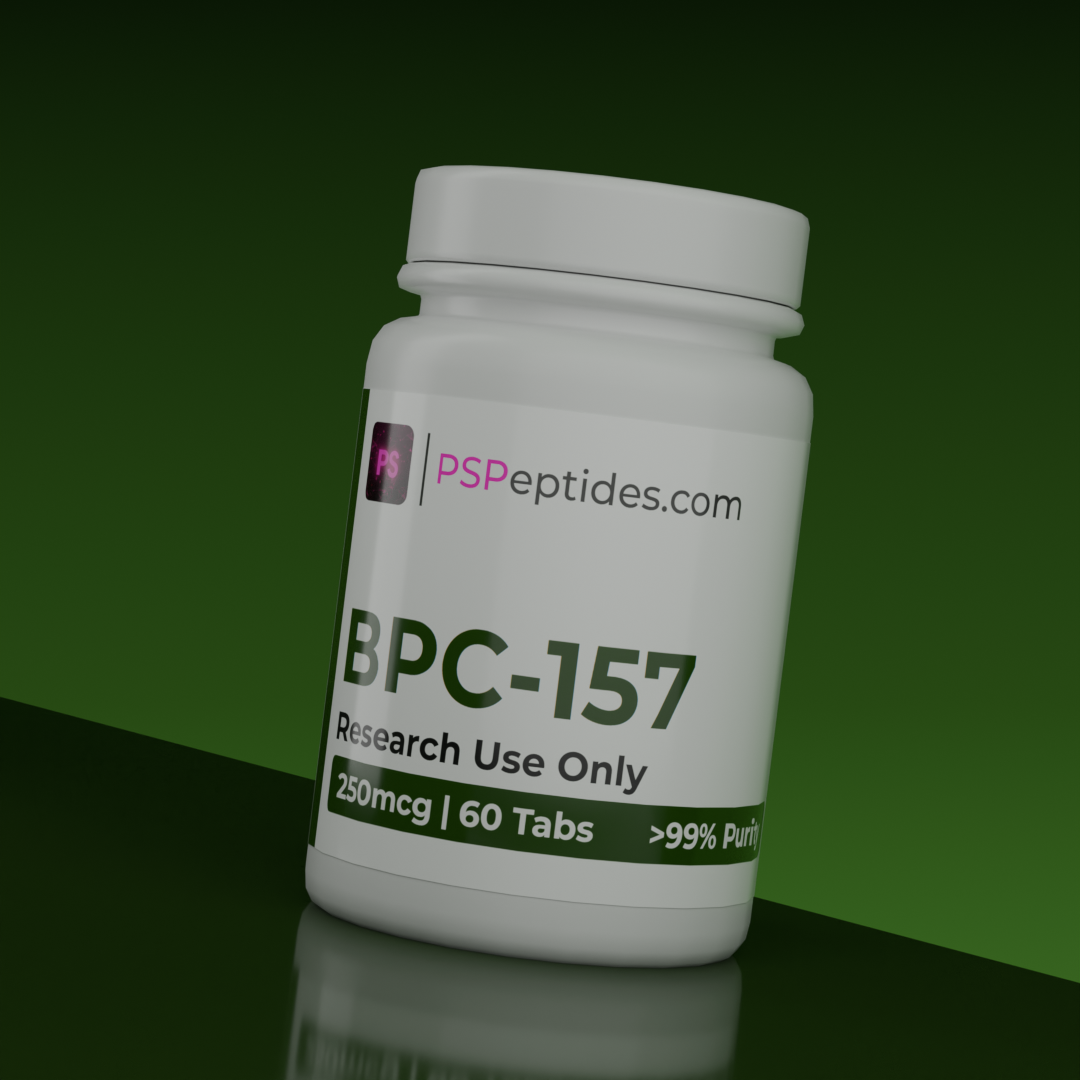
Most reported side effects are mild and temporary. Common reactions include flushing, nausea, headache and injection-site redness. If symptoms persist or worsen, stop use and consult a healthcare provider.
BPC-157 has not been subjected to a tested human trial, meaning that no trial chart indicates the presence of side effects, unlike approved medications for which percentages are compared with placebo. It is the first major point to comprehend regarding BPC-157 negative effects: there is very little human information stemming from small and non-verified studies and evidence from the users of those products.
We have included as much true information in this page as we can. This page explains why the safety picture is incomplete, identifies the biggest sources of risk and lists what to do if you suffer an adverse reaction.
The safety profile of BPC-157 has yet to be determined due to the absence of required studies. BPC-157 has not passed clinical trials, and information related to it is currently based mainly on small uncontrolled studies.
Controlled tests are the means of correctly accounting for side effects. They are conducted by comparing one group of individuals receiving the treatment with another group using the placebo, which makes it possible to exclude from side effects list cases of headache or upset stomach that would have happened anyway. Without the comparison, a list of "reported side effects" is just a list of things that have been observed with no knowledge of which ones are attributable to the treatment.
Thus, if a website claims that BPC-157 causes a certain number of side effects, you should find out how they reached that figure. In our own findings, we have no data that would prove such claims to be correct.
The information that we see about side effects of BPC-157 is often obtained from social media, forums and marketing channels of clinics, which do not necessarily include clinical studies. Each source has its own bias.
| Source | What it can tell you | What it cannot |
|---|---|---|
| Animal studies | How the compound behaved in laboratory animals | How people react |
| Small uncontrolled human studies | Early observations in a handful of people | Reliable rates or causes |
| Forum and social posts | Individual experiences | Whether the product was genuine or what caused a reaction |
| Clinic and seller marketing | What the seller wants you to believe | Independent safety data |
In many cases, the most pressing safety issue surrounding an unlicensed product is the content of the vial rather than just the peptide itself. The MHRA cautions that illegal and unregulated products often have unknown contents, factory process capabilities as well as the manner of their handling.
A licensed medicine is made to medicine standards, with controls on purity, sterility and storage. A research compound is not held to those standards, and a "research only" label does not mean it was. A third-party certificate of analysis gives some information about a batch, and both vendors we track publish one, but it is not the same as licensed manufacture. Our guide to reading a BPC-157 COA explains what it can and cannot confirm.
A second set of risks comes from people following unverified advice. There is no approved human dose of BPC-157, and figures on forums are anecdotes or extrapolations from animal work. We explain why on our page about BPC-157 dosage.
Another risk is delay. Someone who relies on an unlicensed compound for an injury or a gut problem may put off seeing a professional who could identify the cause. The MHRA's interest in clinics making medicinal claims about peptides, reported in April 2026, partly reflects this concern. Our page on BPC-157 clinics in the UK covers that investigation.
If you experience any reaction after using a product, you should contact a healthcare professional and inform them of the product. Make sure you have the container or packaging as well as the batch or lot number handy.
People are encouraged to report any suspected side effects through the Yellow Card scheme and report any suspected illicit traders to the MHRA. Reporting helps the regulatory authority understand what is being sold in the UK. If the matter is not urgent, it is good to consult with a GP or pharmacist first.
For competitive athletes the most predictable consequence of using BPC-157 is not a physical side effect but an anti-doping one. BPC-157 is on the WADA Prohibited List under section S0, non-approved substances, and UK Anti-Doping applies that list to UK athletes.
That applies whether or not a product actually contains what its label says. Our page on BPC-157 and WADA sets out what this means for athletes in the UK.
BPC-157 has not been subjected to a tested human trial, meaning that no trial chart indicates the presence of side effects, unlike approved medications for which percentages are compared with placebo. It is the first major point to comprehend regarding BPC-157 negative effects: there is very little human information stemming from small and non-verified studies and evidence from the users of those products.
We have included as much true information in this page as we can. This page explains why the safety picture is incomplete, identifies the biggest sources of risk and lists what to do if you suffer an adverse reaction.
The safety profile of BPC-157 has yet to be determined due to the absence of required studies. BPC-157 has not passed clinical trials, and information related to it is currently based mainly on small uncontrolled studies.
Controlled tests are the means of correctly accounting for side effects. They are conducted by comparing one group of individuals receiving the treatment with another group using the placebo, which makes it possible to exclude from side effects list cases of headache or upset stomach that would have happened anyway. Without the comparison, a list of "reported side effects" is just a list of things that have been observed with no knowledge of which ones are attributable to the treatment.
Thus, if a website claims that BPC-157 causes a certain number of side effects, you should find out how they reached that figure. In our own findings, we have no data that would prove such claims to be correct.
The information that we see about side effects of BPC-157 is often obtained from social media, forums and marketing channels of clinics, which do not necessarily include clinical studies. Each source has its own bias.
| Source | What it can tell you | What it cannot |
|---|---|---|
| Animal studies | How the compound behaved in laboratory animals | How people react |
| Small uncontrolled human studies | Early observations in a handful of people | Reliable rates or causes |
| Forum and social posts | Individual experiences | Whether the product was genuine or what caused a reaction |
| Clinic and seller marketing | What the seller wants you to believe | Independent safety data |
In many cases, the most pressing safety issue surrounding an unlicensed product is the content of the vial rather than just the peptide itself. The MHRA cautions that illegal and unregulated products often have unknown contents, factory process capabilities as well as the manner of their handling.
A licensed medicine is made to medicine standards, with controls on purity, sterility and storage. A research compound is not held to those standards, and a "research only" label does not mean it was. A third-party certificate of analysis gives some information about a batch, and both vendors we track publish one, but it is not the same as licensed manufacture. Our guide to reading a BPC-157 COA explains what it can and cannot confirm.
A second set of risks comes from people following unverified advice. There is no approved human dose of BPC-157, and figures on forums are anecdotes or extrapolations from animal work. We explain why on our page about BPC-157 dosage.
Another risk is delay. Someone who relies on an unlicensed compound for an injury or a gut problem may put off seeing a professional who could identify the cause. The MHRA's interest in clinics making medicinal claims about peptides, reported in April 2026, partly reflects this concern. Our page on BPC-157 clinics in the UK covers that investigation.