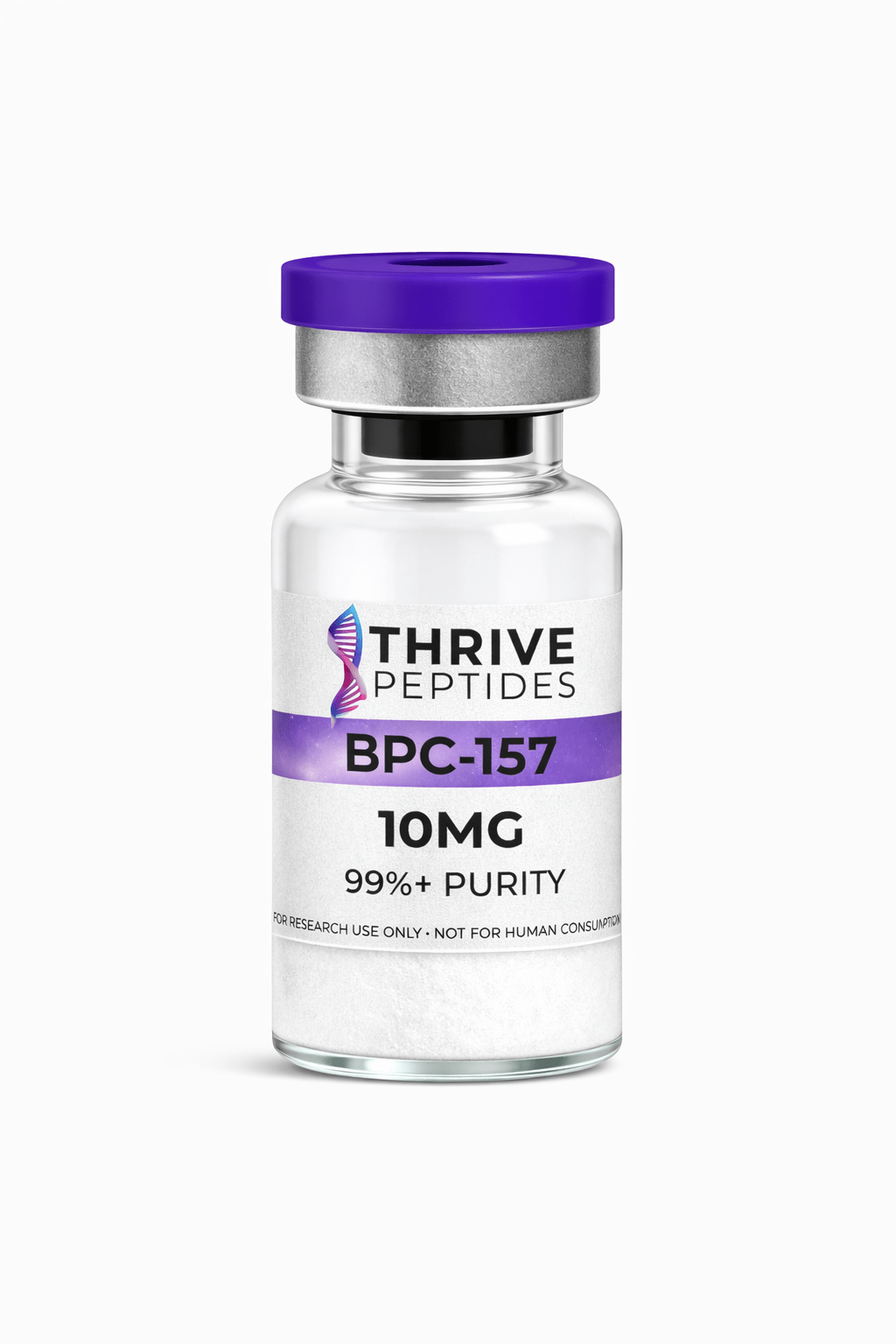
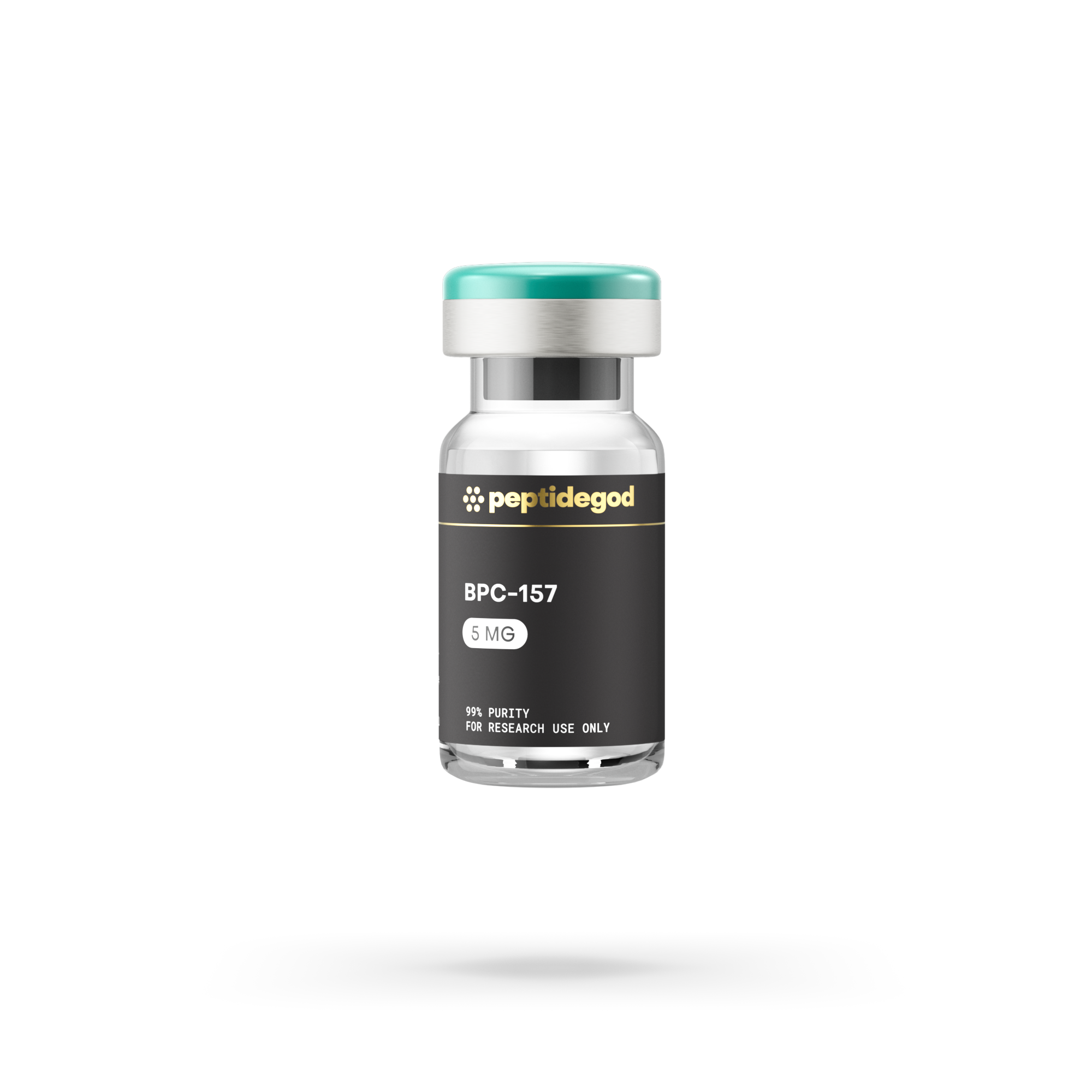
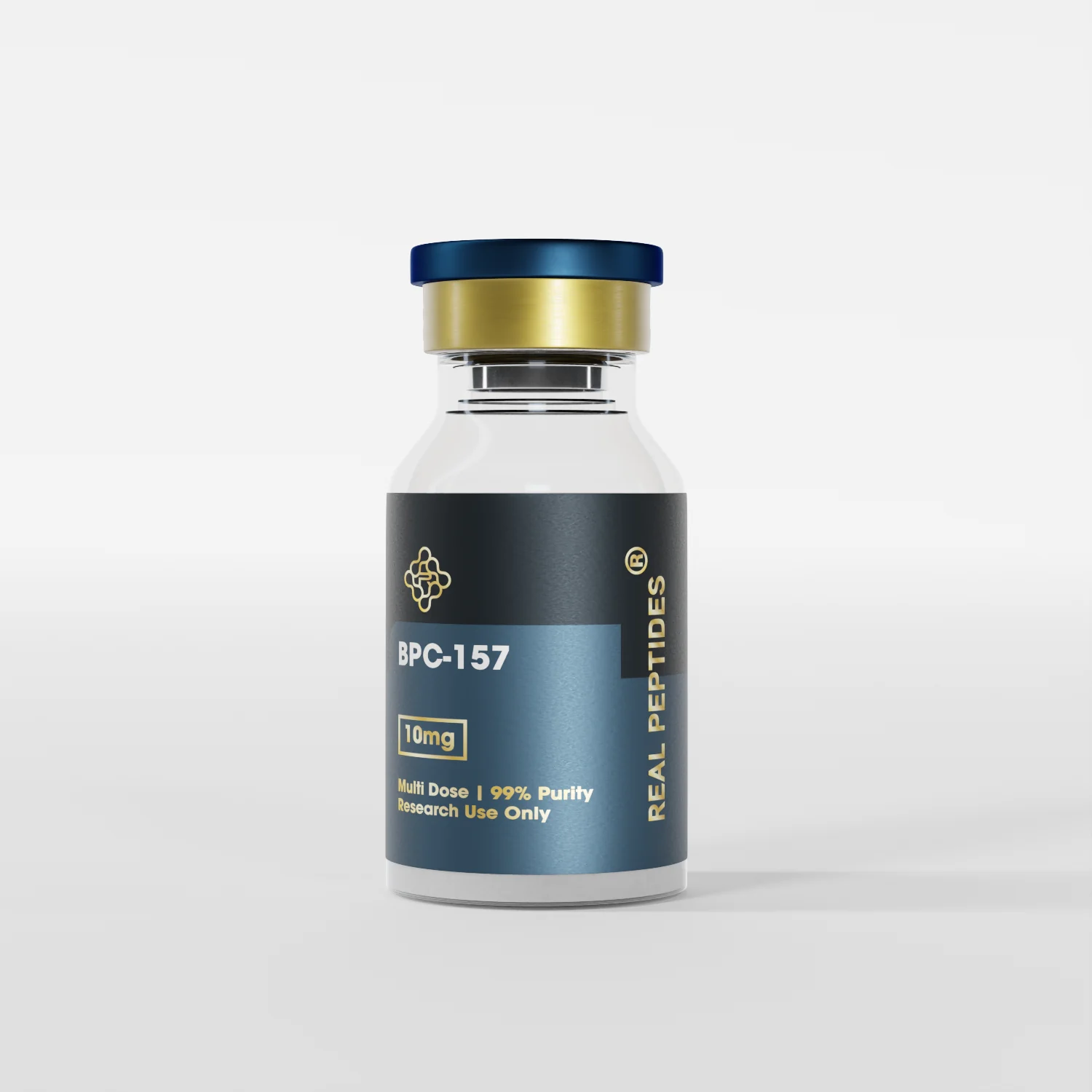
Healing
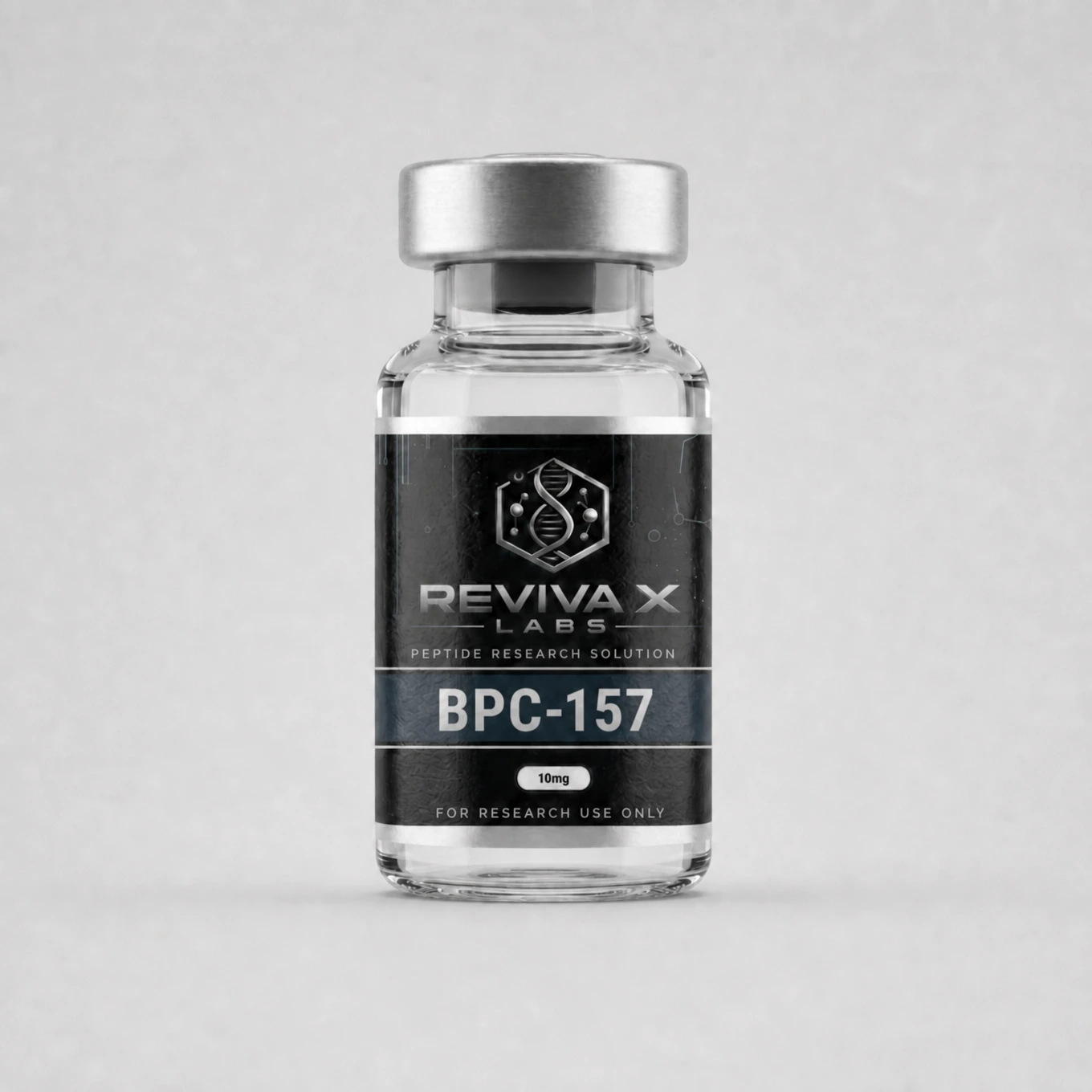
BPC-157 benefits: what animal studies show, why they cannot be read across to people, the thin human evidence and why benefit claims matter in UK law.
In published research, the majority of participants tolerated supplementation without serious adverse events. Most side effects were mild, transient, and self-resolving.
No controlled human trial has confirmed any benefit of BPC-157, and the compound remains in pre-clinical research, with human data limited to small, uncontrolled studies. That is the frame for every claim about BPC-157 benefits you will read. What does exist is a body of animal research, and this page explains what it covers, why it attracts so much interest and why it cannot be read as proof for people.
We keep a close eye on regulatory matters in the UK, and the disparity between the promotion of BPC-157 and the actual evidence is precisely what the MHRA has been investigating.
The said advantages of BPC-157 stem mostly from research conducted in animals. So far, laboratory research conducted in animals has focused on tissue recovery and the gut, and this is where the excitement begins.
Research using animals is a standard first step in checking any substance. Researchers can use their findings to know what is worth testing further. However, it does not let you know whether or not it works in human beings or how safe it would be to use or the dose which may prove effective.
Research utilizing animals can demonstrate the action of a compound in an experimental lab model but not give an insight into a human organism. This limitation is the core reason why the effectiveness of BPC-157 is still unclear.
| Animal studies can show | Animal studies cannot show |
|---|---|
| Whether an effect appears in a laboratory model | Whether the same effect happens in people |
| Which areas deserve further research | What a safe or effective human amount would be |
| Early signs of harm in animals | The side effect profile in people |
| Results under tightly controlled conditions | Results with products of unknown quality in everyday life |
Doses used in animal research also cannot be translated to people. Our page on why there is no approved BPC-157 dose explains that in full.
The human evidence on BPC-157 is thin: small, uncontrolled studies and no controlled trials. Without a control group, it is not possible to tell whether improvements were caused by the compound, by time, by other treatment or by expectation.
That is why no regulatory body has given the authorization for it. BPC-157 is not authorized for medical use in the UK and has not made it past the US FDA. When vendors and clinics tout the benefits of human usage of the product as a proven phenomenon, they are misrepresenting the available data.
In the UK, making benefit claims about BPC-157 can change its legal position. Under the Human Medicines Regulations 2012, a product is classed by its intended use, and one promoted to treat injury, cognition or metabolic health can be treated as a medicine.
That is why the vendors we track sell BPC-157 as a research compound, and why the MHRA's investigation reported in April 2026 focused on UK peptide clinics making medicinal claims about unregulated peptides. Sellers who make those claims risk being treated as selling unlicensed medicines. Our page on BPC-157 clinics in the UK covers the investigation.
To find out the speediest way to evaluate a benefits claim simply try the question─ does it connect with animals or people? A statement which does not contain the word "animal" and presents results as applicable for humans has already gone beyond research.
Other indicators we consider include testimonials being used as evidence, reports of treatment success and the use of the term "clinically" without specifying a clinical trial was performed. Certificate of analysis of any product does only provide information on its content, but not any details about its effect. Also, MHRA warns about the use of unregulated products, which may be unknown in terms of their contents and quality, making it possible for genuine animal study to provide no information about the content of the vial.
From the perspective of a UK researcher, the crucial aspect is that the advantages of BPC-157 are still an unanswered question. If someone suffers from an injury, has a gut disorder, or is facing issues with recovery, a family physician or pharmacist can advise him about medications tested in clinical practice.
Athletes should also know that BPC-157 is on the WADA Prohibited List under section S0. And if you are still weighing the product side, our page on BPC-157 side effects sets out what is and is not known about safety.
No controlled human trial has confirmed any benefit of BPC-157, and the compound remains in pre-clinical research, with human data limited to small, uncontrolled studies. That is the frame for every claim about BPC-157 benefits you will read. What does exist is a body of animal research, and this page explains what it covers, why it attracts so much interest and why it cannot be read as proof for people.
We keep a close eye on regulatory matters in the UK, and the disparity between the promotion of BPC-157 and the actual evidence is precisely what the MHRA has been investigating.
The said advantages of BPC-157 stem mostly from research conducted in animals. So far, laboratory research conducted in animals has focused on tissue recovery and the gut, and this is where the excitement begins.
Research using animals is a standard first step in checking any substance. Researchers can use their findings to know what is worth testing further. However, it does not let you know whether or not it works in human beings or how safe it would be to use or the dose which may prove effective.
Research utilizing animals can demonstrate the action of a compound in an experimental lab model but not give an insight into a human organism. This limitation is the core reason why the effectiveness of BPC-157 is still unclear.
| Animal studies can show | Animal studies cannot show |
|---|---|
| Whether an effect appears in a laboratory model | Whether the same effect happens in people |
| Which areas deserve further research | What a safe or effective human amount would be |
| Early signs of harm in animals | The side effect profile in people |
| Results under tightly controlled conditions | Results with products of unknown quality in everyday life |
Doses used in animal research also cannot be translated to people. Our page on why there is no approved BPC-157 dose explains that in full.
The human evidence on BPC-157 is thin: small, uncontrolled studies and no controlled trials. Without a control group, it is not possible to tell whether improvements were caused by the compound, by time, by other treatment or by expectation.
That is why no regulatory body has given the authorization for it. BPC-157 is not authorized for medical use in the UK and has not made it past the US FDA. When vendors and clinics tout the benefits of human usage of the product as a proven phenomenon, they are misrepresenting the available data.
In the UK, making benefit claims about BPC-157 can change its legal position. Under the Human Medicines Regulations 2012, a product is classed by its intended use, and one promoted to treat injury, cognition or metabolic health can be treated as a medicine.
That is why the vendors we track sell BPC-157 as a research compound, and why the MHRA's investigation reported in April 2026 focused on UK peptide clinics making medicinal claims about unregulated peptides. Sellers who make those claims risk being treated as selling unlicensed medicines. Our page on BPC-157 clinics in the UK covers the investigation.