Healing
BPC-157 clinic UK guide: the April 2026 MHRA investigation into peptide clinics, the claims it targets and the questions to ask any provider.
The Guardian wrote in April 2026 that the MHRA has started an investigation involving UK peptide clinics claiming to use unregulated peptides for medicinal purposes, and BPC-157 was one of the substances referred to. When anyone is looking for BPC-157 clinics within the UK, that investigation is the most relevant background information. This page provides details about what the regulator is investigating and the reasons why the clinic settings involve many questions.
We are not listing or rating clinics. The point of this page is to help you read what a clinic says about BPC-157, and to know what to ask.
The MHRA is investigating UK peptide clinics that make medicinal claims about unregulated peptides, according to the April 2026 report. The concern is the claims themselves: presenting unlicensed compounds as treatments.
BPC-157 was one of the peptides named as widely promoted. It is not a licensed medicine in the UK and not approved by the US FDA for human use. The report did not say that BPC-157 is illegal to sell in the UK; it said that the way it is promoted can bring it under medicines law.
Clinics face a sharper test because offering a product as part of a treatment is close to the definition of a medicinal claim. Under the Human Medicines Regulations 2012, a product is classed by its intended use, and promotion to treat injury, cognition or metabolic health can make it a medicine.
A US vendor selling a vial as a research compound is making a different kind of offer from a clinic that consults a patient about an injury and supplies a peptide for it. Sellers that make medicinal claims risk being treated as selling unlicensed medicines. That is why the investigation focuses on clinics. Our page on BPC-157 legal status in the UK covers the regulations in more depth.
By reading the information given for BPC-157 by the clinic can give a quick answer. Statements of benefit for a health condition are what the regulatory body is watching out for.
Each of these goes beyond what the evidence supports. BPC-157 remains in pre-clinical stages, and human data is limited to small, uncontrolled studies. Our page on BPC-157 benefits sets out what the animal research does and does not show.
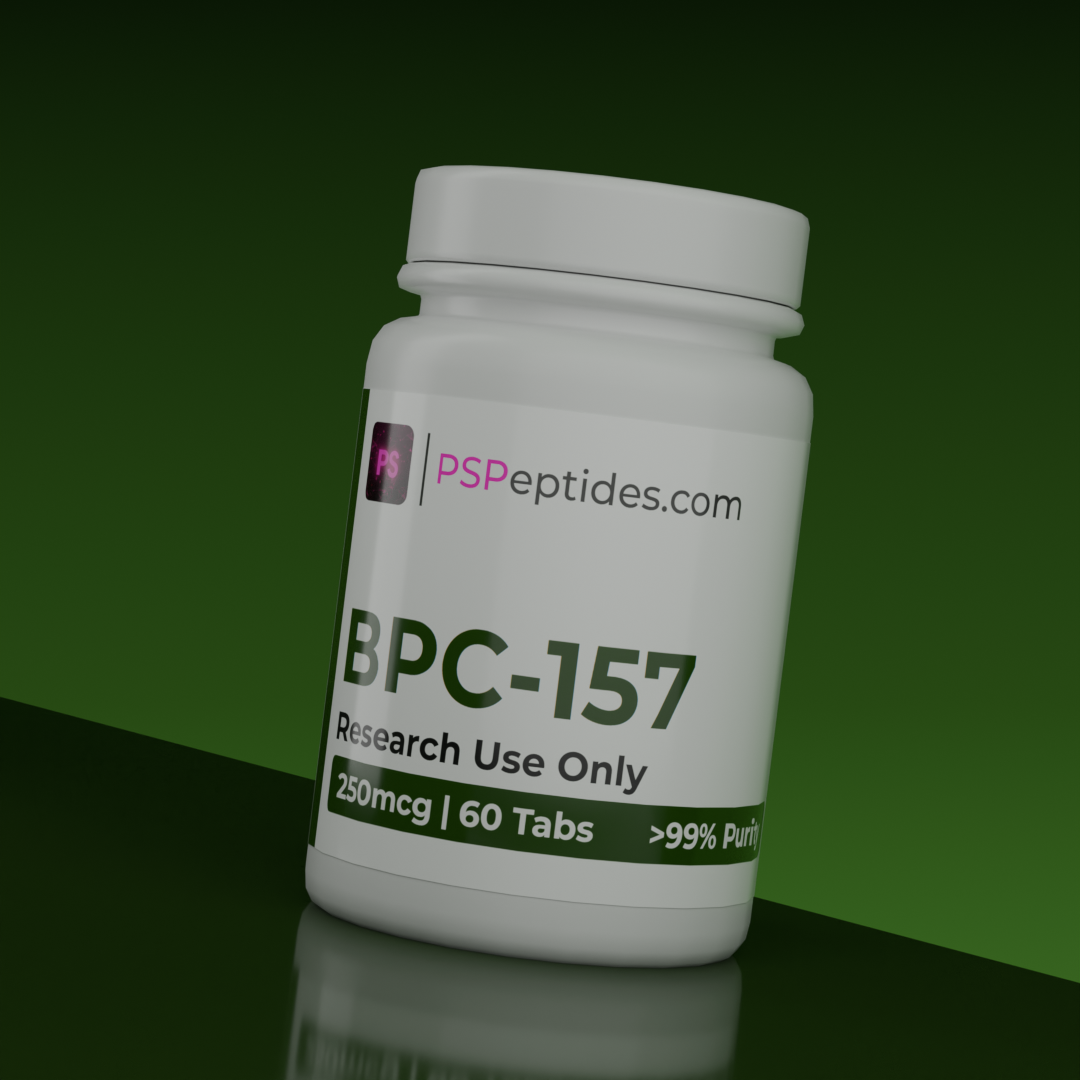
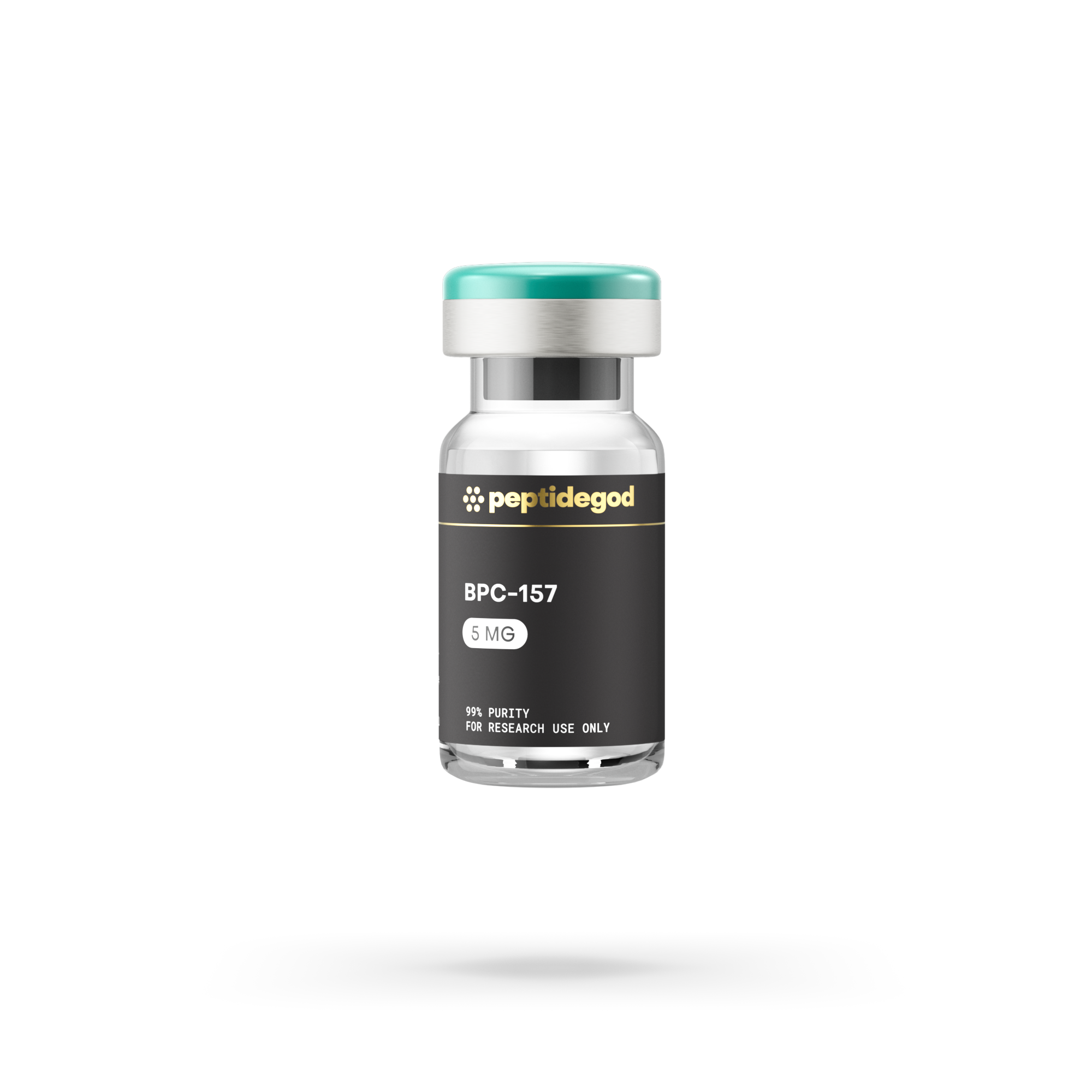
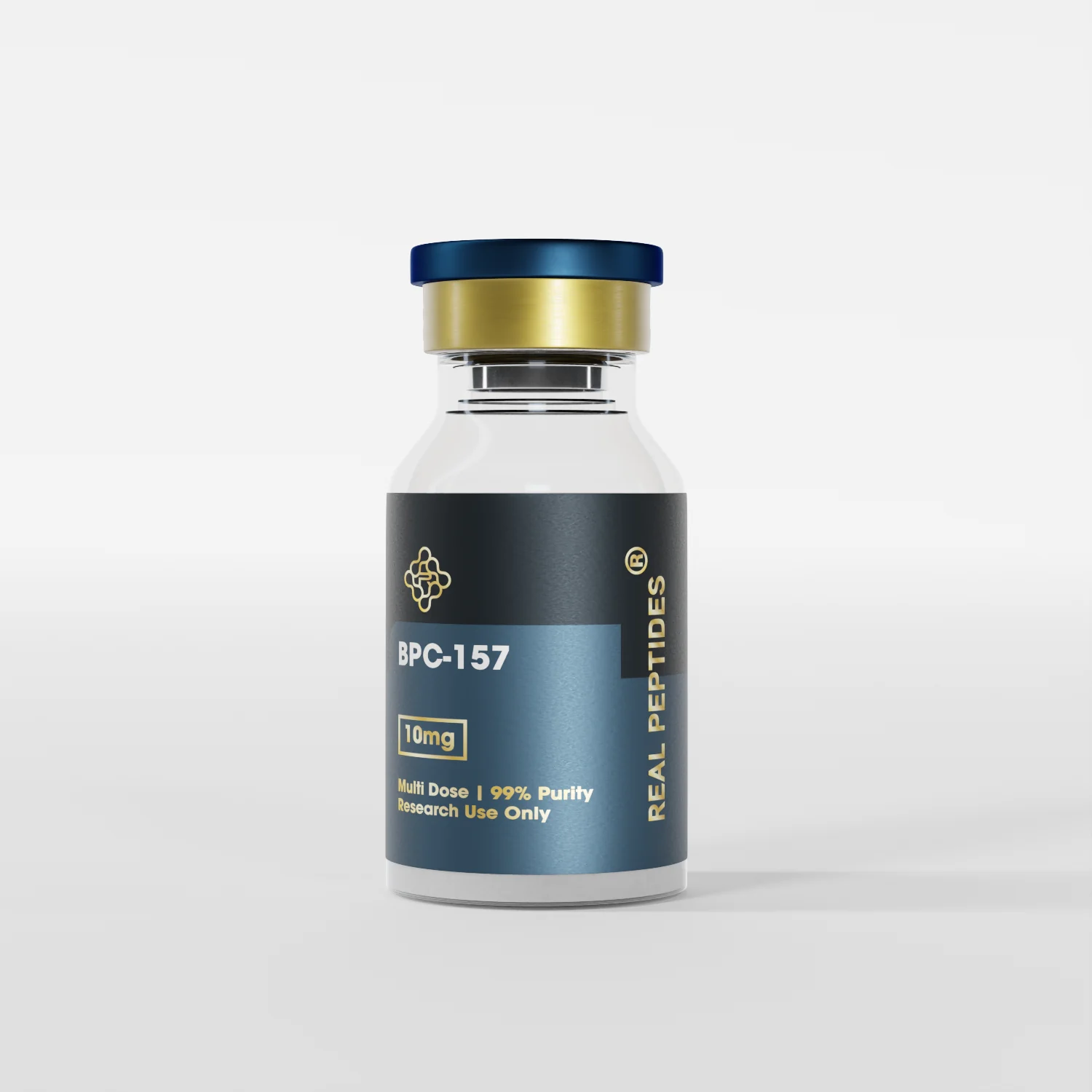
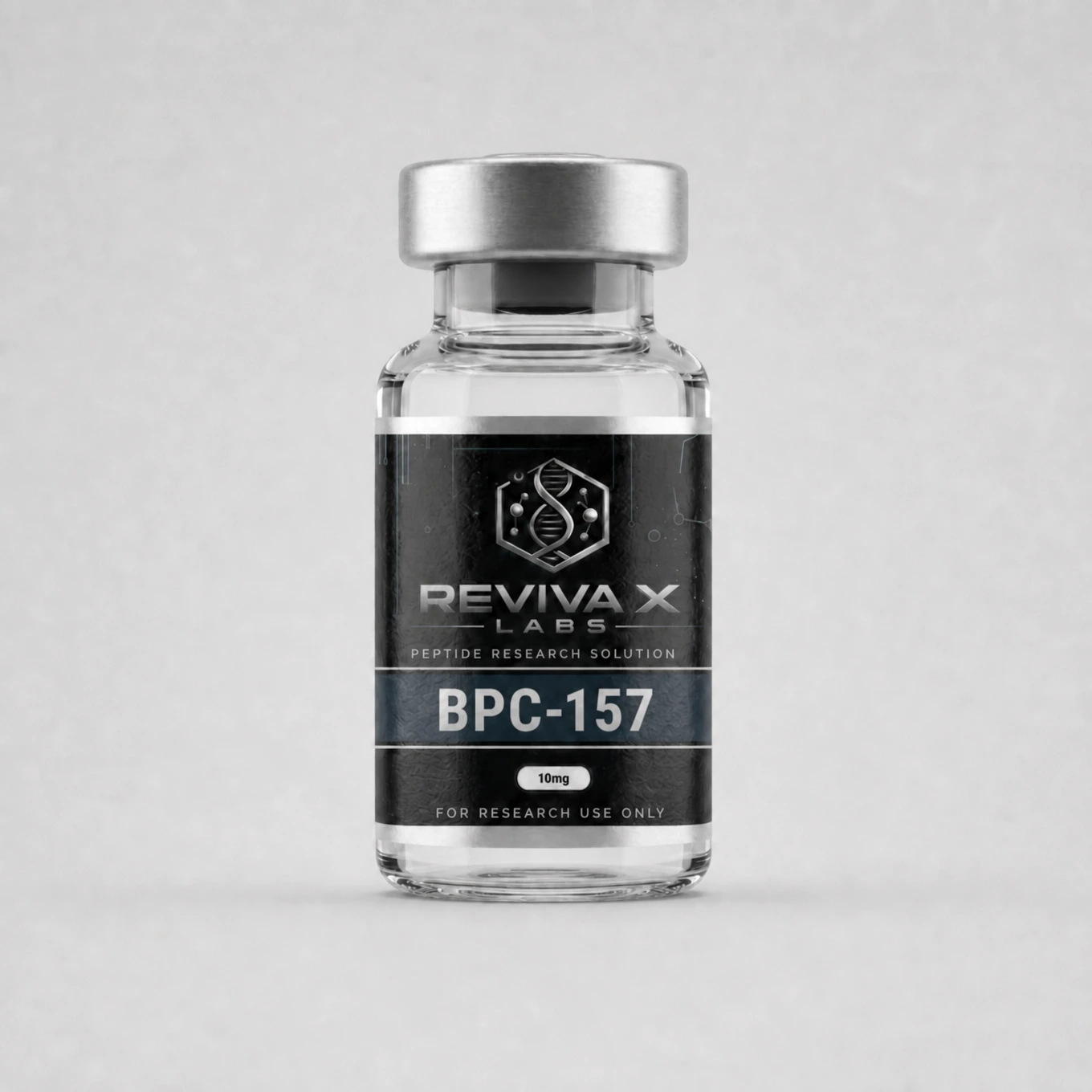
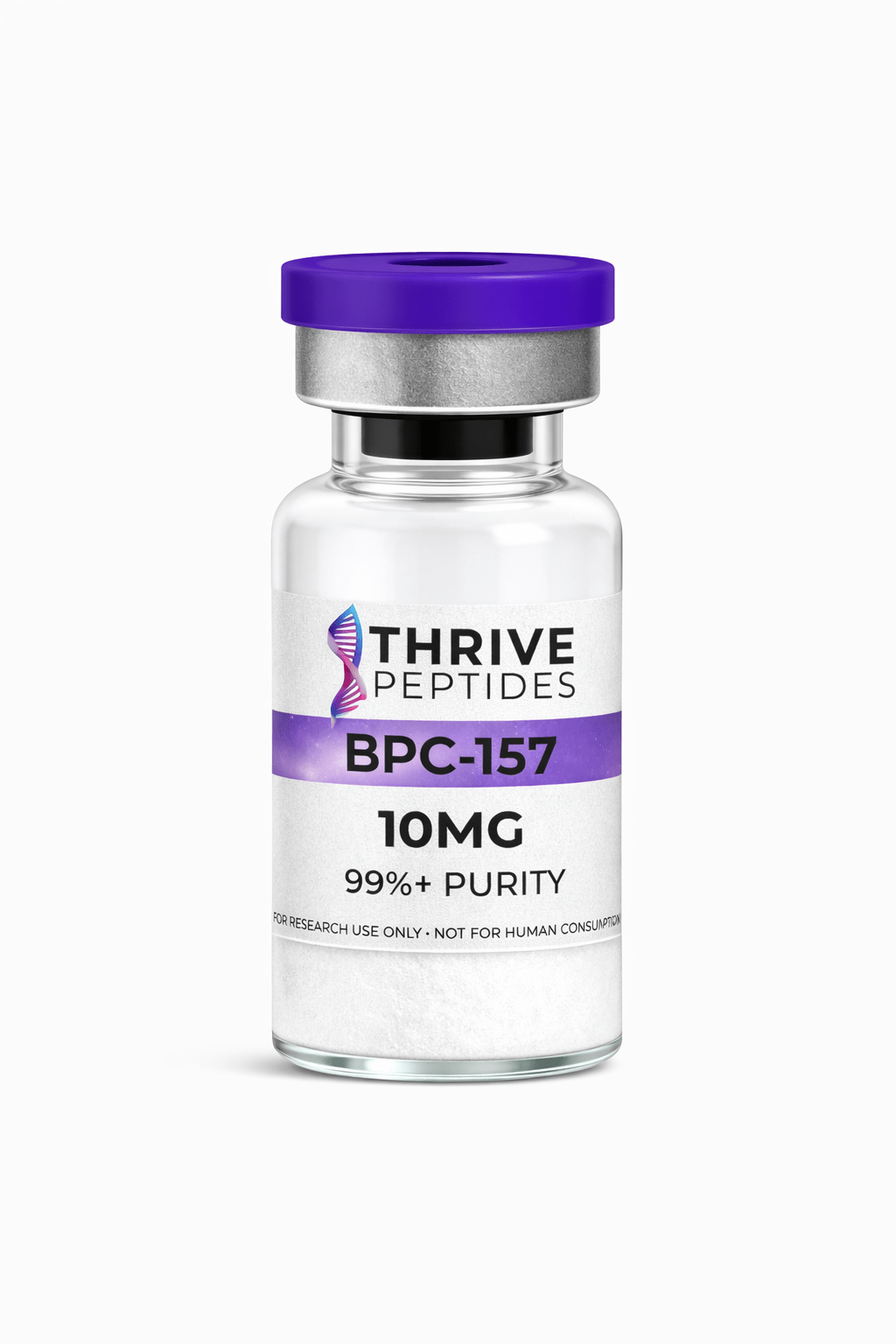
It is challenging to reconcile the presence of a “research only” label with a clinic giving a product to patients. A report from April 2026 indicates that many providers make use of these labels.
The presence of a label does not imply that the product was produced to standards set by the medical profession. According to the MHRA, unregulated products come from unknown sources, with unknown constitutional makeup, production quality and process. A clinical environment can make a product seem more trustworthy than it actually is, which is why we think it is essential that the label comes under increased scrutiny rather than decreased.
When engaging with a clinic, make sure to pose inquiries that effectively raise concerns. If the responses are ambiguous, this hints at something.
| Question | Why it matters |
|---|---|
| Is this product licensed by the MHRA? | BPC-157 is not, so the honest answer is no. |
| What controlled human evidence supports it? | No controlled human trials confirm benefit. |
| Who made it, and can I see the batch COA? | Quality is otherwise unknown. |
| Is the prescriber registered, and with which body? | You can check registration independently. |
| What licensed alternatives exist for my problem? | A good clinician should raise these. |
To find pharmacies, you can check the online register of the General Pharmaceutical Council for pharmacies and pharmacists. A clinic that cannot provide you with a registration that you can check is a warning sign.
injury, gut issues or recovery queries, the initial point of contact is usually a doctor, pharmacist or physiotherapist. They will evaluate what’s occurred and explore legitimate treatments. That option has the protections that BPC-157 clinics do not.
If you think a clinic is selling unlicensed medicines, you can report it to the MHRA, and side effects can be reported through the Yellow Card scheme. Athletes have an extra reason for caution: BPC-157 is on the WADA Prohibited List, which we explain on our BPC-157 and WADA page.
The Guardian wrote in April 2026 that the MHRA has started an investigation involving UK peptide clinics claiming to use unregulated peptides for medicinal purposes, and BPC-157 was one of the substances referred to. When anyone is looking for BPC-157 clinics within the UK, that investigation is the most relevant background information. This page provides details about what the regulator is investigating and the reasons why the clinic settings involve many questions.
We are not listing or rating clinics. The point of this page is to help you read what a clinic says about BPC-157, and to know what to ask.
The MHRA is investigating UK peptide clinics that make medicinal claims about unregulated peptides, according to the April 2026 report. The concern is the claims themselves: presenting unlicensed compounds as treatments.
BPC-157 was one of the peptides named as widely promoted. It is not a licensed medicine in the UK and not approved by the US FDA for human use. The report did not say that BPC-157 is illegal to sell in the UK; it said that the way it is promoted can bring it under medicines law.
Clinics face a sharper test because offering a product as part of a treatment is close to the definition of a medicinal claim. Under the Human Medicines Regulations 2012, a product is classed by its intended use, and promotion to treat injury, cognition or metabolic health can make it a medicine.
A US vendor selling a vial as a research compound is making a different kind of offer from a clinic that consults a patient about an injury and supplies a peptide for it. Sellers that make medicinal claims risk being treated as selling unlicensed medicines. That is why the investigation focuses on clinics. Our page on BPC-157 legal status in the UK covers the regulations in more depth.
By reading the information given for BPC-157 by the clinic can give a quick answer. Statements of benefit for a health condition are what the regulatory body is watching out for.
Each of these goes beyond what the evidence supports. BPC-157 remains in pre-clinical stages, and human data is limited to small, uncontrolled studies. Our page on BPC-157 benefits sets out what the animal research does and does not show.
It is challenging to reconcile the presence of a “research only” label with a clinic giving a product to patients. A report from April 2026 indicates that many providers make use of these labels.
The presence of a label does not imply that the product was produced to standards set by the medical profession. According to the MHRA, unregulated products come from unknown sources, with unknown constitutional makeup, production quality and process. A clinical environment can make a product seem more trustworthy than it actually is, which is why we think it is essential that the label comes under increased scrutiny rather than decreased.