Healing
BPC-157 WADA status: listed under S0 non-approved substances, applied to UK athletes by UKAD, and why research labels make no difference in sport.
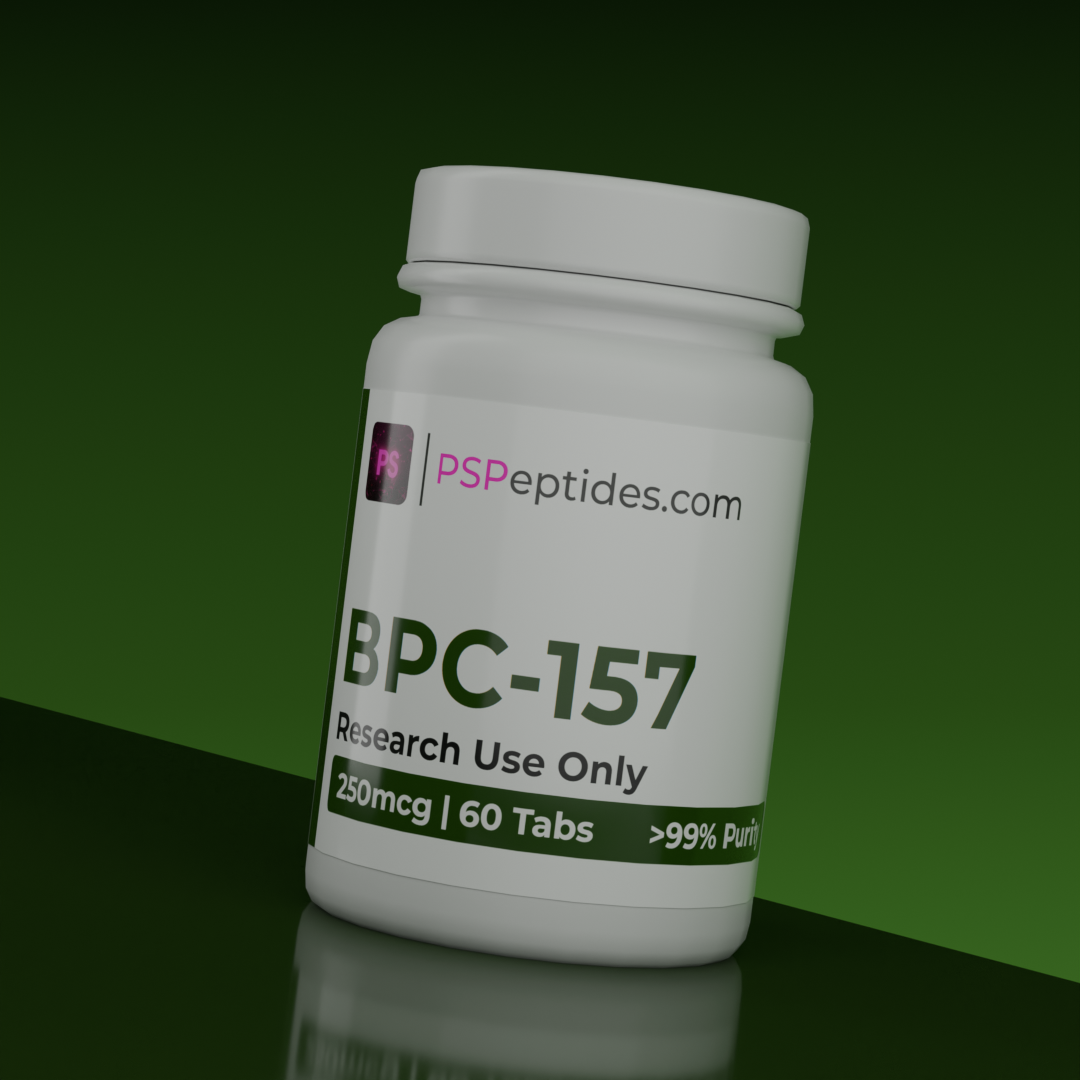
BPC-157 is on the World Anti-Doping Agency Prohibited List under section S0, non-approved substances, and UK Anti-Doping (UKAD) applies that list to UK athletes. That is the single most important fact on the BPC-157 WADA question, and it holds regardless of how BPC-157 is labelled or where it was bought. This page explains what S0 means and why it catches BPC-157.
Our target audience is based in the UK, and thus the queries that we receive about this subject are mostly from club and amateur sportsmen, instead of just elite ones. Regardless, these rules also apply to the latter group.
BPC-157 sits in section S0 of the WADA Prohibited List, the section for non-approved substances. As the name suggests, it covers substances that are not approved for human therapeutic use.
BPC-157 falls under this category. It is not an approved drug in the UK, nor has the US FDA given permission for human usage of the substance. Hence, because S0 refers to the approval status and not the named effects of the drug, no proof of greater efficiency is needed.
UK Anti-Doping applies the WADA Prohibited List to athletes in the UK which indicates that a finding related to BPC-157 becomes an anti-doping matter according to UK law.
The athletes that get tested and the method of testing depends on the sport and the level of competition. If the athletes participate in sports under a federation that follows UK anti-doping regulations, it is safe to assume that the list applies and check with the federation or UKAD for confirmation. Never rely on what a coach or teammate thinks regarding the issue; any supplement ordered online has to undergo the same process as any clinic product.
A "repair only" label is not relevant regarding anti-doping regulations. What matters is whether the substance falls under S0 and is banned, and not how it was sold.
The same goes for the product's medicines status. BPC-157 is sold as a research compound, and the MHRA position on unlicensed products is a separate matter covered on our page about BPC-157 legal status in the UK. Something can be on sale without being permitted in sport.
| Question | What decides it | Answer for BPC-157 |
|---|---|---|
| Is it a licensed medicine in the UK? | MHRA licensing | No |
| Can it be sold? | Medicines law and how it is promoted | Sold as a research compound; treatment claims can bring it under medicines law |
| Is it allowed in sport? | WADA list, applied by UKAD | No, it is listed under S0 |
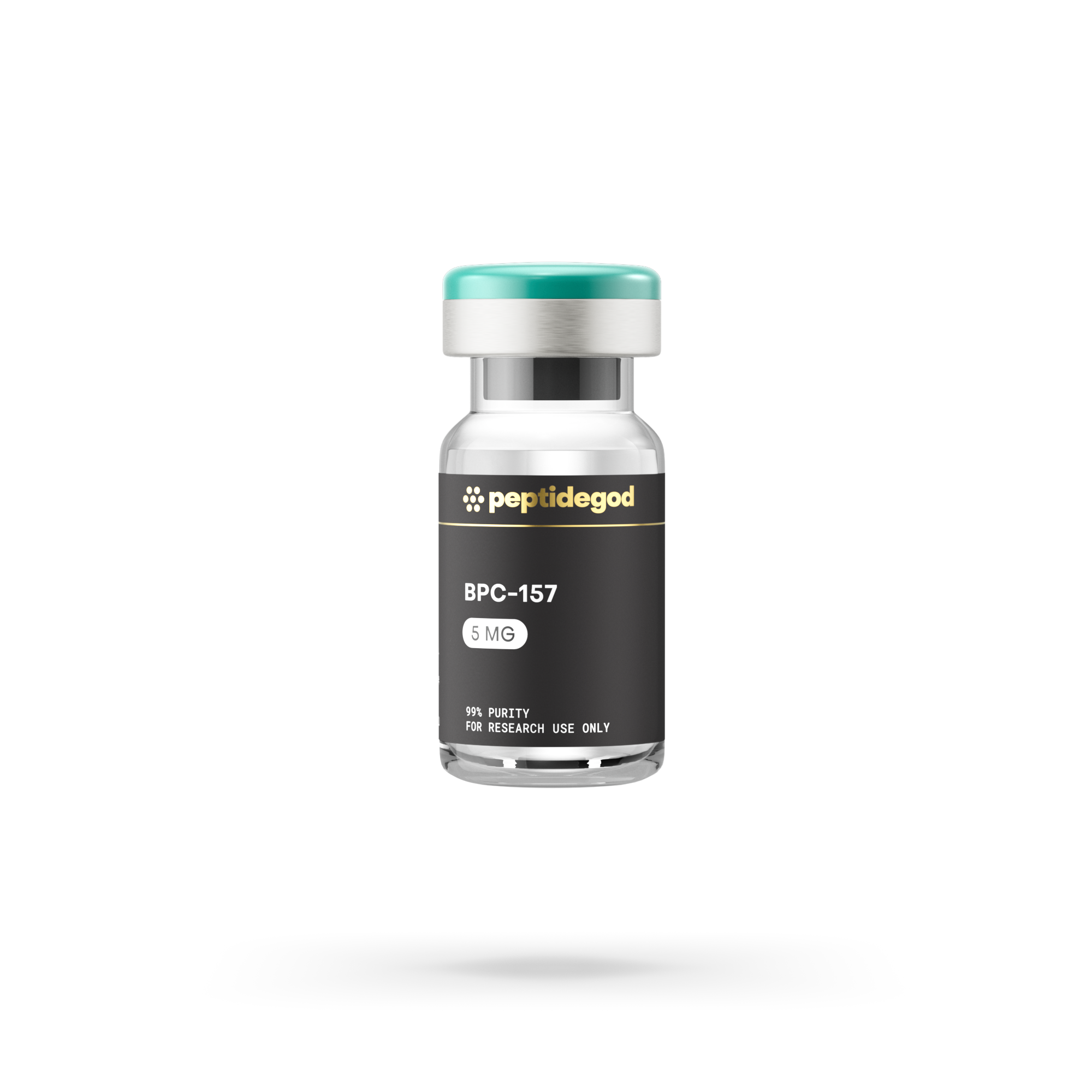
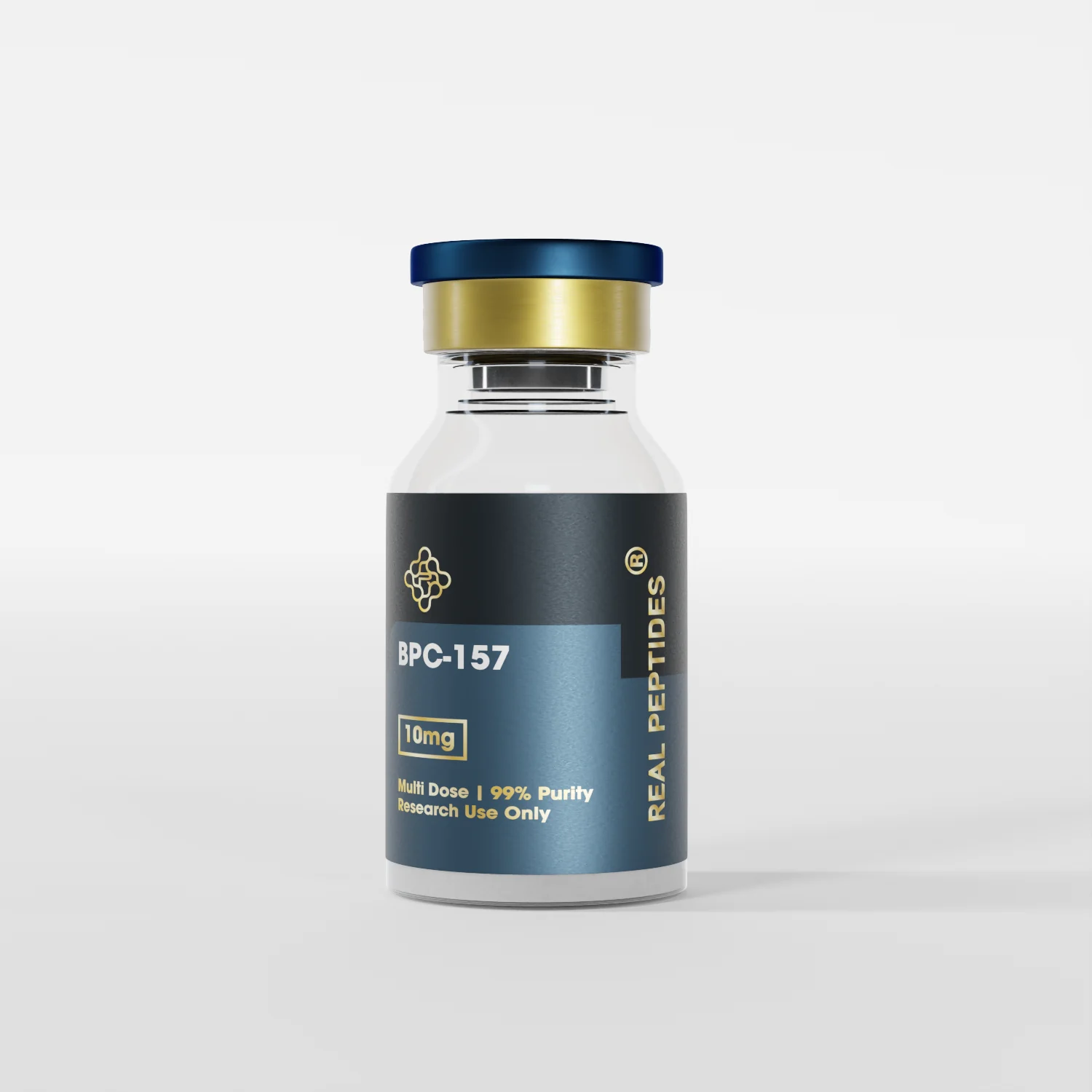
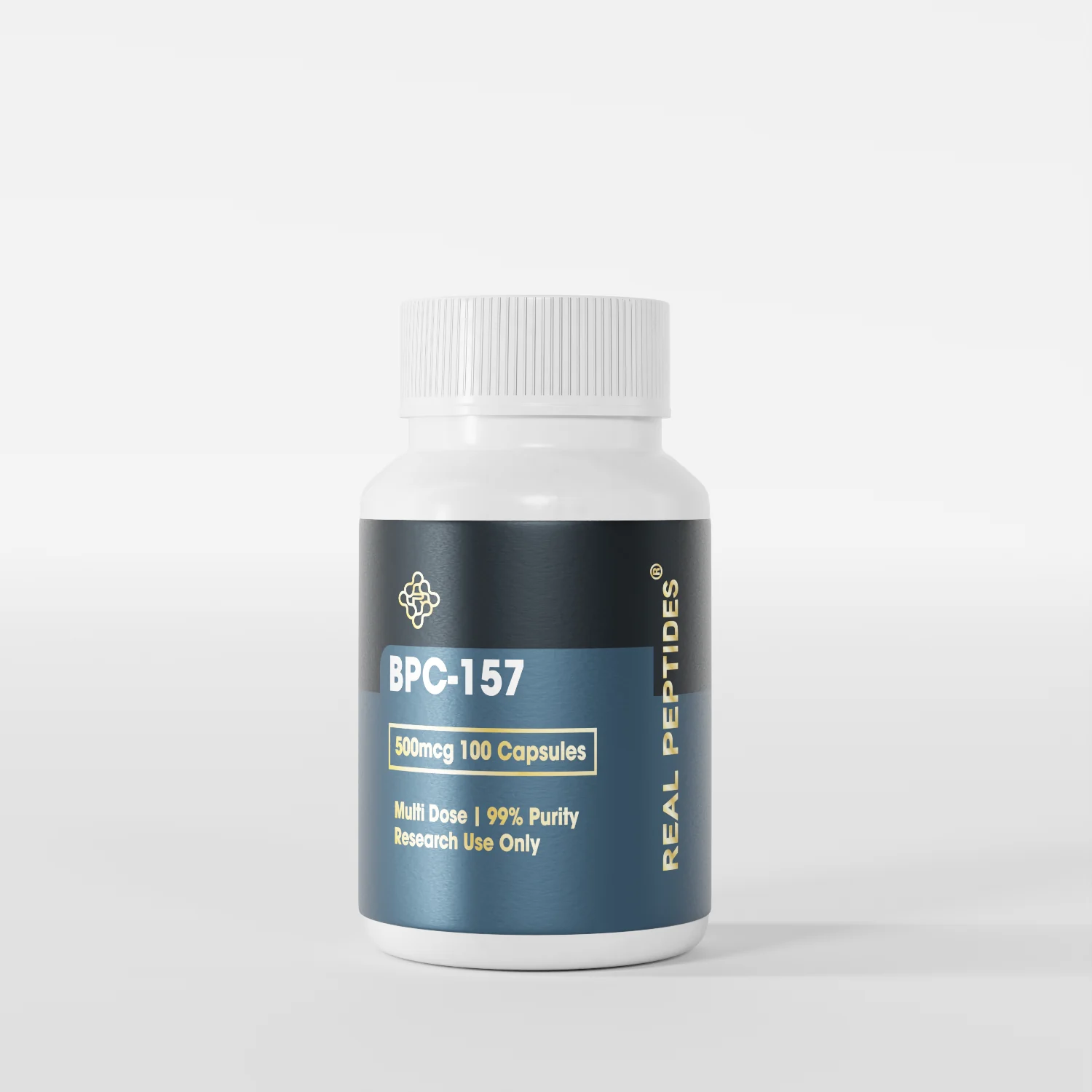
Athletes face extra risk from combined products, because a blend or stack puts BPC-157 alongside other compounds. Products we track such as the Peptide God BPC-157 + TB-500 Blend, the Real Peptides Wolverine Peptide Stack and the GLOW Stack all include BPC-157.
There is a further problem. The MHRA warns that products from unregulated sources can have unknown contents, so a product's label may not tell you everything inside it. A certificate of analysis gives some information about a batch, but it is not a guarantee. Our guide to reading a BPC-157 COA explains its limits.
One of the most common errors is to think that a grey area in medicine law automatically means there is also a grey area in sports law. This is not true.
The April 2026 reports of an MHRA investigation into UK peptide clinics making medicinal claims, with BPC-157 named, are covered on our page about BPC-157 clinics in the UK.
Athletes who have sustained injuries should be in touch with their nearest sports doctor, general practitioner or physiotherapist, who is educated in the anti-doping regulations. The term "non-approved medicine" implies that the substance in question does not have any legitimate medical purpose for which it is used.
Your governing body and UKAD can answer questions about specific substances. For the wider safety picture on BPC-157, see our page on BPC-157 side effects.
BPC-157 is on the World Anti-Doping Agency Prohibited List under section S0, non-approved substances, and UK Anti-Doping (UKAD) applies that list to UK athletes. That is the single most important fact on the BPC-157 WADA question, and it holds regardless of how BPC-157 is labelled or where it was bought. This page explains what S0 means and why it catches BPC-157.
Our target audience is based in the UK, and thus the queries that we receive about this subject are mostly from club and amateur sportsmen, instead of just elite ones. Regardless, these rules also apply to the latter group.
BPC-157 sits in section S0 of the WADA Prohibited List, the section for non-approved substances. As the name suggests, it covers substances that are not approved for human therapeutic use.
BPC-157 falls under this category. It is not an approved drug in the UK, nor has the US FDA given permission for human usage of the substance. Hence, because S0 refers to the approval status and not the named effects of the drug, no proof of greater efficiency is needed.
UK Anti-Doping applies the WADA Prohibited List to athletes in the UK which indicates that a finding related to BPC-157 becomes an anti-doping matter according to UK law.
The athletes that get tested and the method of testing depends on the sport and the level of competition. If the athletes participate in sports under a federation that follows UK anti-doping regulations, it is safe to assume that the list applies and check with the federation or UKAD for confirmation. Never rely on what a coach or teammate thinks regarding the issue; any supplement ordered online has to undergo the same process as any clinic product.
A "repair only" label is not relevant regarding anti-doping regulations. What matters is whether the substance falls under S0 and is banned, and not how it was sold.
The same goes for the product's medicines status. BPC-157 is sold as a research compound, and the MHRA position on unlicensed products is a separate matter covered on our page about BPC-157 legal status in the UK. Something can be on sale without being permitted in sport.
| Question | What decides it | Answer for BPC-157 |
|---|---|---|
| Is it a licensed medicine in the UK? | MHRA licensing | No |
| Can it be sold? | Medicines law and how it is promoted | Sold as a research compound; treatment claims can bring it under medicines law |
| Is it allowed in sport? | WADA list, applied by UKAD | No, it is listed under S0 |
Athletes face extra risk from combined products, because a blend or stack puts BPC-157 alongside other compounds. Products we track such as the Peptide God BPC-157 + TB-500 Blend, the Real Peptides Wolverine Peptide Stack and the GLOW Stack all include BPC-157.
There is a further problem. The MHRA warns that products from unregulated sources can have unknown contents, so a product's label may not tell you everything inside it. A certificate of analysis gives some information about a batch, but it is not a guarantee. Our guide to reading a BPC-157 COA explains its limits.